Written by Dr Devesh Thakur
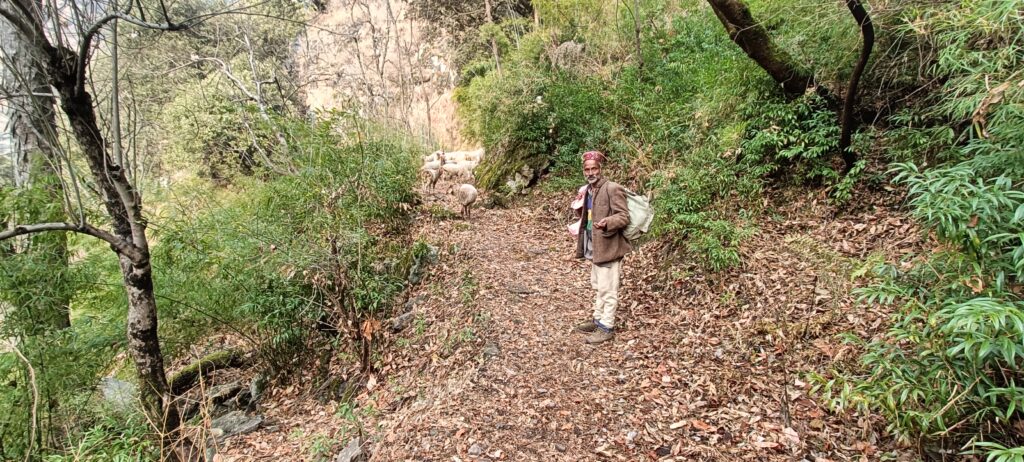
Shepherds in Tirthan Valley,near Great Himalyan National Park Kullu sustain their livelihoods despite mounting challenges. Their traditional grazing practices not only support their families but also help maintain the region’s ecological balance. However, increasing threats such as wildlife attacks, limited veterinary services, and poor infrastructure make this way of life increasingly difficult. Notably, in Himachal Pradesh, the sheep population declined from 1.08 million in 1997 to 0.79 million in 2019, highlighting the growing challenges faced by these communities. Addressing these issues through policy support and sustainable interventions is crucial to preserving both their livelihoods and the fragile Himalayan ecosystem.
Tradition and Adaptation: Grazing Practices of the Community
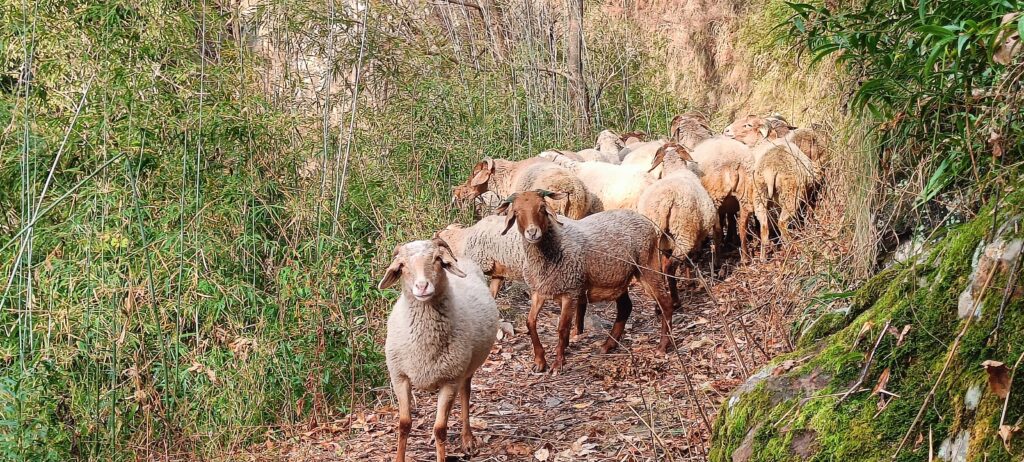
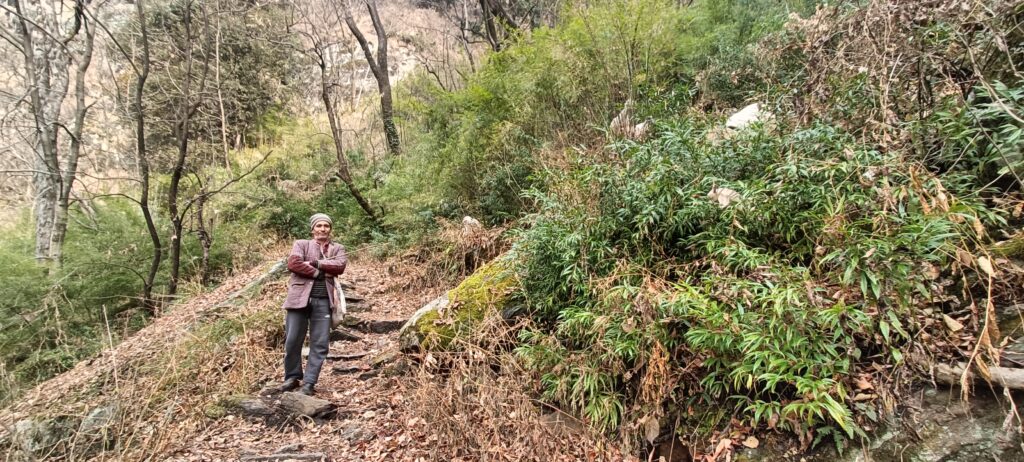
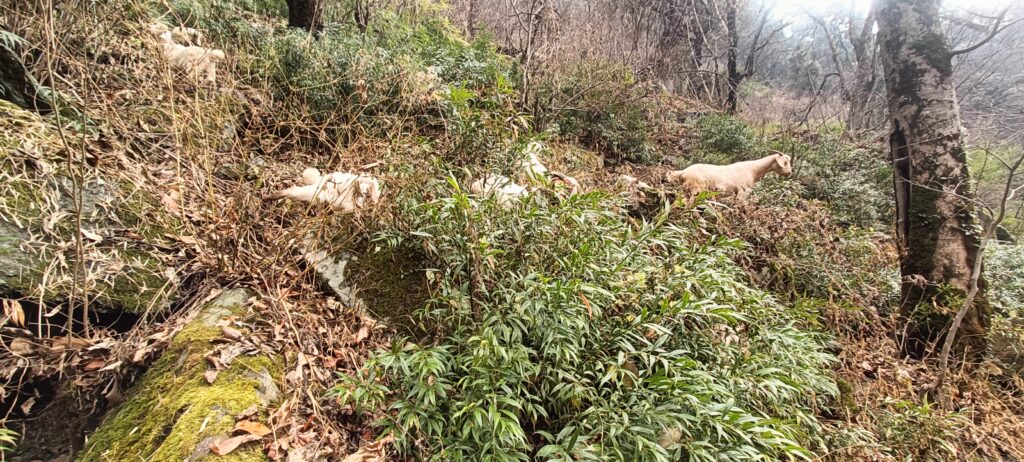
Shepherds like Paras Ram utilize high-altitude areas unsuitable for farming. On average, a flock consists of 50-60 sheep and goats, managed by grazing them during the day and sheltering them in villages at night.
During the monsoon, shepherds move their livestock to higher pastures, such as Kharid Jot. This transhumance system allows them to utilize seasonal grazing lands and minimize costs, as the animals rely entirely on grazing.
Economic Benefits of Sheep and Goat Rearing
Shepherds sell their livestock once they reach maturity, earning around ₹10,000–₹11,000 per animal. By selling 10-15 animals annually, they generate an income of ₹1–1.5 lakh. This model requires minimal investment, as the grazing-based system eliminates the need for expensive fodder. Additionally, sheep and goats help clear shrubs and maintain open pathways, benefitting the local ecology.

Challenges Faced by Shepherds
i. Wildlife Attacks
One of the most significant issues is the threat of predators like leopards. Paras Ram shared that he loses 3-4 animals annually to such attacks. Another shepherd recounted a devastating incident where a leopard wiped out his entire flock of 50-60 animals, leaving only one goat. These losses severely impact their livelihoods.
ii. Health Issues in Livestock
Diseases like foot rot and lameness are common among livestock. Shepherds often feel helpless due to the lack of immediate veterinary services. Vaccination and deworming are irregular, as veterinary staff are reluctant to visit remote areas.
iii. Lack of Infrastructure
Shepherds demand better infrastructure, such as durable and weather-resistant tents, which would allow them to graze their livestock safely and efficiently. Villagers’ complaints about mess and noise further necessitate temporary shelters away from residential areas.
iv. Insurance and Financial Security
Shepherds have called for the revival of the Shepherd Insurance Scheme, which previously offered financial protection. Its discontinuation has left them vulnerable to economic shocks.
v. Restrictions and Monitoring
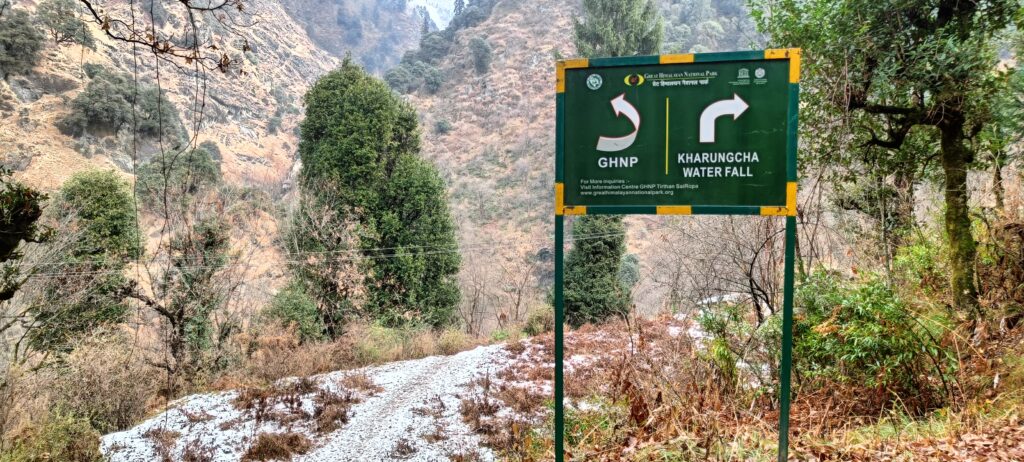
Grazing restrictions near GHNP aim to protect the fragile ecosystem but force shepherds to search for alternate grazing grounds far from their villages, making their work even more arduous.
Traditional Knowledge in Livestock Care
The Gaddi shepherd community relies on traditional methods for livestock health care, including:
Treating Foot Rot or Lameness
Deodar Oil: Used to treat infections and decay in the hooves.
Cow Urine: Acts as a disinfectant.
Copper Sulphate Solution: Used for treating hoof infections.
Fracture Management
Shepherds use thin wooden splints to support fractured limbs and treat them using indigenous techniques.
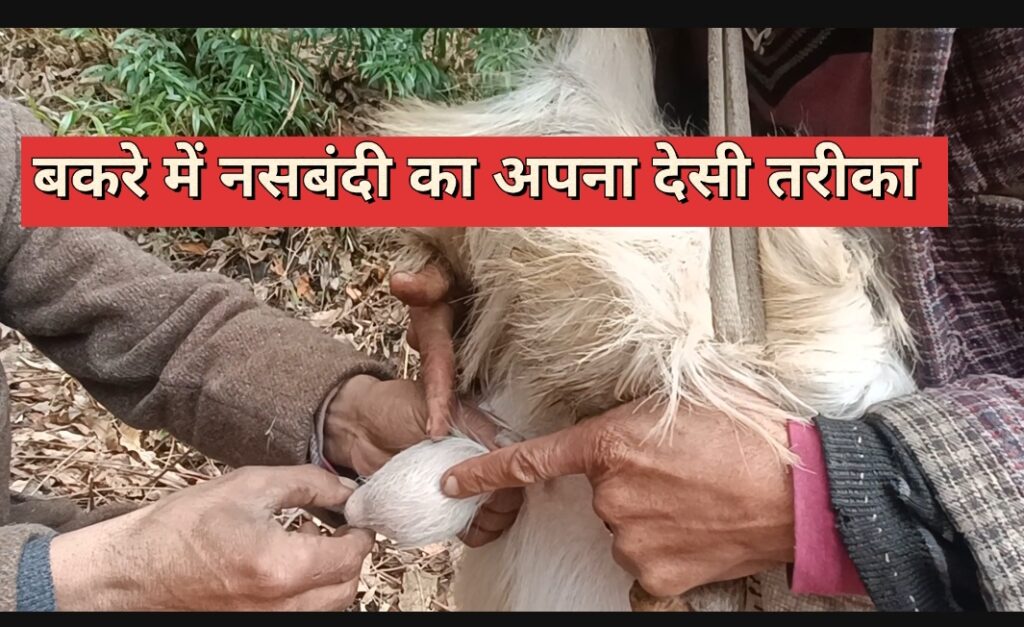
Castration of Male Animals
Experienced shepherds perform castration themselves, relying on traditional practices.
Nutrition and Feeding
Livestock graze naturally in the forests, and their diet includes leaves of Ban Oak (Quercus leucotrichophora) and Moru Oak (Quercus dilatata), which are excellent sources of nutrition. This grazing-based system keeps feeding costs minimal.

Declining Interest Among the Younger Generation
i.) The younger generation’s interest in traditional livestock rearing is diminishing.
ii.) Many youths migrate to townships seeking modern education and better job opportunities.
iii.) The responsibility of livestock rearing now falls on elderly family members.
iv.) Younger individuals consider the practice labor-intensive, risky, and less lucrative.
v.) Urbanization and modern lifestyles further reduce the appeal of this traditional livelihood.
Possible Consequences and Solutions
Consequences
Loss of Traditional Knowledge: The dwindling interest among the youth could lead to the erosion of invaluable community knowledge.
Crisis in Livestock-based Livelihoods: If this trend continues, sheep and goat farming may decline, impacting the region’s ecosystem and economy.
Solutions
Inspiring Youth Participation:
Government and NGOs should modernize traditional practices with advanced technologies to make them more appealing.
Training programs can present this as a profitable business model.
Financial and Technical Support:
Subsidies, easy loans, and training opportunities can attract the younger generation.
Digital platforms can help market products like wool, milk, and cheese.
Addressing Shepherds’ Problems:
Providing durable tents for safe and effective grazing.
Allocating alternate grazing areas for shepherds.
Encouraging dialogue between villagers, shepherds, and authorities for mutual solutions.
Reviving the Shepherd Insurance Scheme for financial protection.
Expanding Veterinary Services:
Deploying mobile veterinary units in remote areas.
Organizing regular vaccination and deworming camps in distant regions.
Integrating Traditional and Modern Techniques:
Combining traditional knowledge with modern tools and methods can attract young people to this field.
Recognizing Shepherds’ Contributions:
Acknowledging their role in maintaining ecological balance through government policies can ensure their sustained involvement.
Conclusion
The shepherds near GHNP are an integral part of Kullu Valley’s social, economic, and ecological fabric. TThe declining interest among the younger generation is a serious challenge, which can be addressed through collective efforts and government policies. If appropriate steps are taken in time, this tradition can not only be preserved but can also enrich the economy and culture of Himachal Pradesh. For this, the government, NGOs, and communities must work together. This effort will not only preserve this ancient tradition but will also make it suitable for modern needs.
Dr. Devesh Thakur is an alumnus of the Indian Veterinary Research Institute and a faculty member at DGCN College of Veterinary and Animal Sciences CSK Himachal Pradesh Agricultural University Palampur,Himachal Pradesh. He is passionate about writing stories from the rural hinterlands of Himachal Pradesh, India. You are welcome to share your stories with him or provide feedback on his work. Dr. Thakur can be reached at drdth4@gmail.com.