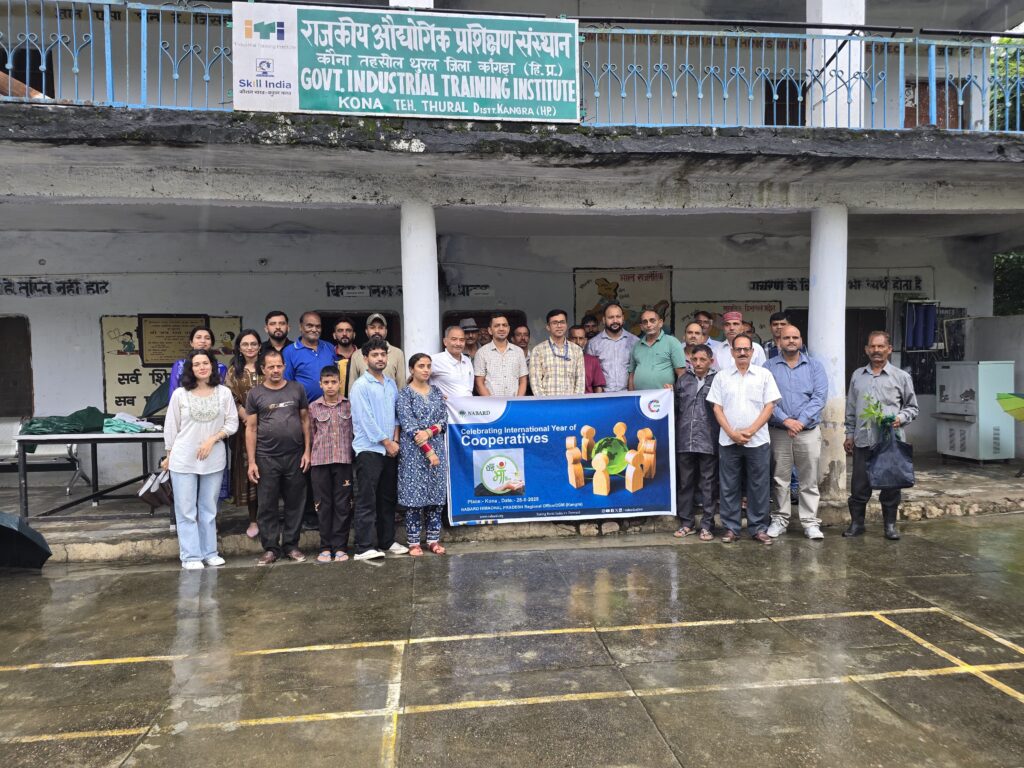
In 2025, which is the International Year of Cooperatives, our team visited Kona Village in Thural, Himachal Pradesh. We wanted to see if we could help farmers there start a Farmer Producer Organization (FPO).
The journey was tough – 60 kilometers of difficult roads that took us 2.5 hours. This showed us how hard it is for people in villages to reach markets and get help.
The Hans Foundation: Helping Villages Grow
When we reached Kona Village, we met the Hans Foundation team. They are doing great work to improve life in rural areas. Here’s what they do:
Health Services
- Bring medical services and medicines to villages
- Help people get basic medical care
Income Generation
- Teach new ways to earn money from farming
- Help with different types of crops and animals
Emergency Help
- Prepare villages for floods, storms, and other disasters
- Train people to handle emergencies
Education and Support
- Run schools and learning programs
- Help people with disabilities
What Farmers Are Learning to Do
The foundation teaches farmers these new skills:
- Fruit Growing: Plant apple, peach, and other fruits that grow well in the hills
- Beekeeping: Keep bees to make honey and earn extra money
- Mushroom Growing: Grow mushrooms in small spaces for good income
- Animal Rearing: Raise chickens and goats for meat, eggs, and milk
In just one year, 250 families have been helped through Self-Help Groups (SHGs). These groups help people work together and solve problems.
The Problem: Women Are Missing
We noticed something worrying during our visit. At the afternoon meeting, only men were present. When we asked why, local leaders said:
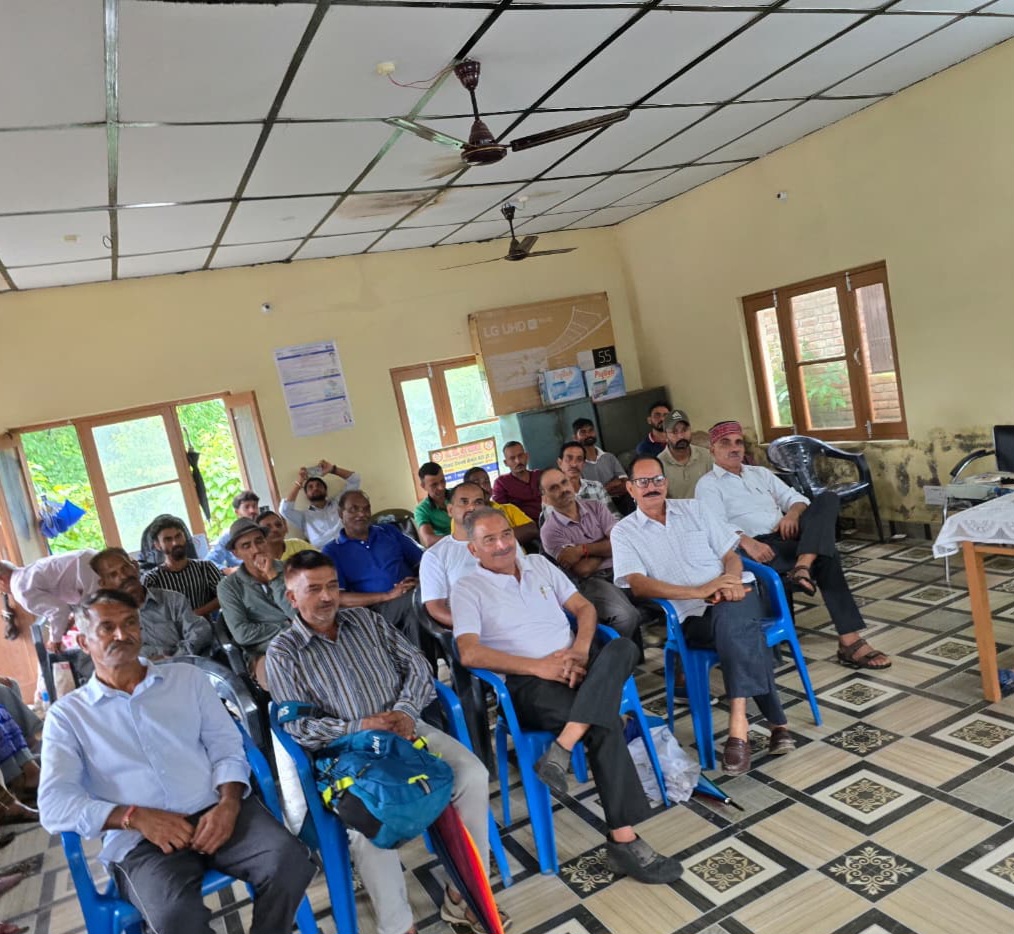
- The 1 pm timing was bad for women
- Women were busy with cooking, cleaning, and taking care of children
- Women do a lot of farm work but don’t get to make business decisions
This is a big problem because:
- Women know a lot about farming
- They work hard in the fields
- But they can’t participate in important meetings
- Without women, farmer groups won’t succeed
Livestock Care: Big Opportunities
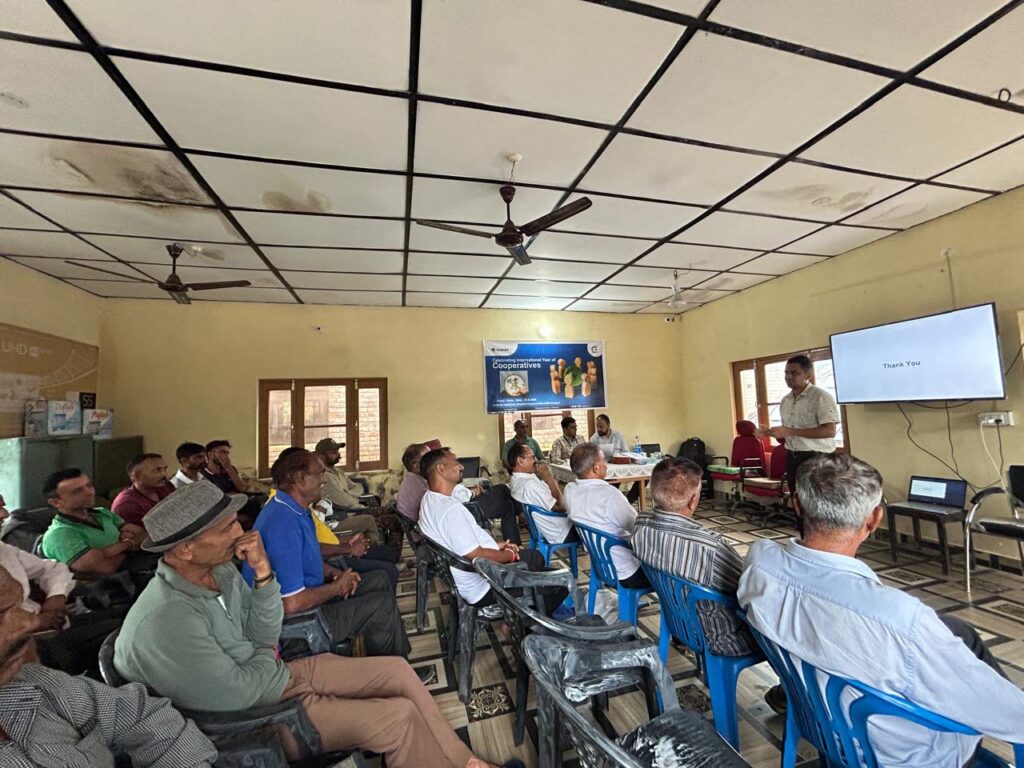
Farmers told us about problems with their cows and buffaloes:
- Many animals get sick after giving birth to calves
- Farmers don’t know proper care methods
What’s Needed:
- Training on how to take care of animals
- More veterinary doctors in villages
- Better food and medicines for animals
Shocking Discovery: No farmer had used the Pashu Kisan Credit Card! This government scheme gives:
- Cheap loans for Livestock farming
- Easy repayment after harvest
- Lower interest rates than moneylenders
This shows that farmers don’t know about government help available to them.
Learning from NABARD: How to Build Strong Farmer Groups
We spoke to the NABARD (National Bank for Agriculture and Rural Development) officer. He shared valuable lessons about making successful FPOs.
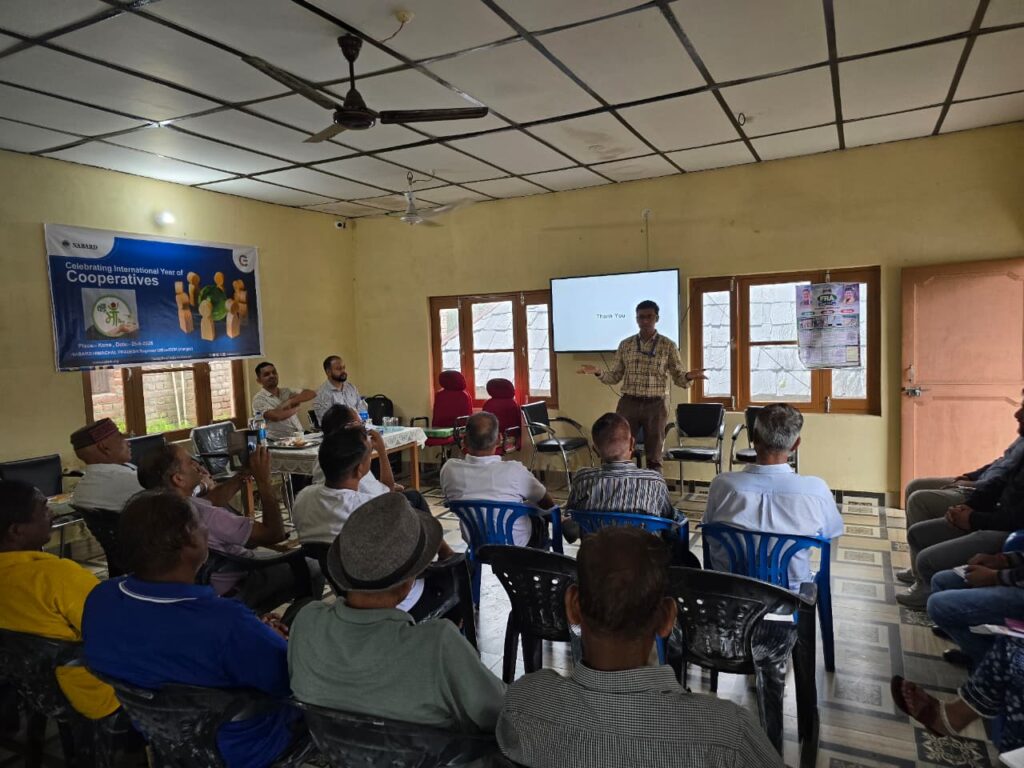
The Right Way to Start
Don’t Force From Top: Many FPOs fail because:
- Rich or powerful people take control
- New members feel left out
- Groups break up when leaders lose interest
Build From Bottom: The right way is:
- Form Small Groups: Let 8-10 farmers with similar interests come together naturally
- Choose Representatives: Each small group picks 1-2 people to represent them
- Make Management Team: Representatives form the main group to run the FPO
- Train Leaders: Teach them how to manage and make decisions
Money Matters: How FPOs Get Funded
Members’ Contribution:
- Each farmer buys shares worth ₹100, ₹1,000, or ₹2,000
- This creates a common fund owned by all members
- Shows commitment and gives ownership feeling
NABARD Support:
- Matches members’ money up to ₹15 lakhs or ₹2,000 per member
- Pays salary for CEO and accountant for 3 years
- Helps with office rent and setup
- Provides training for all members
This system makes sure members have a stake while getting government support.
Planting Trees: Caring for the Environment
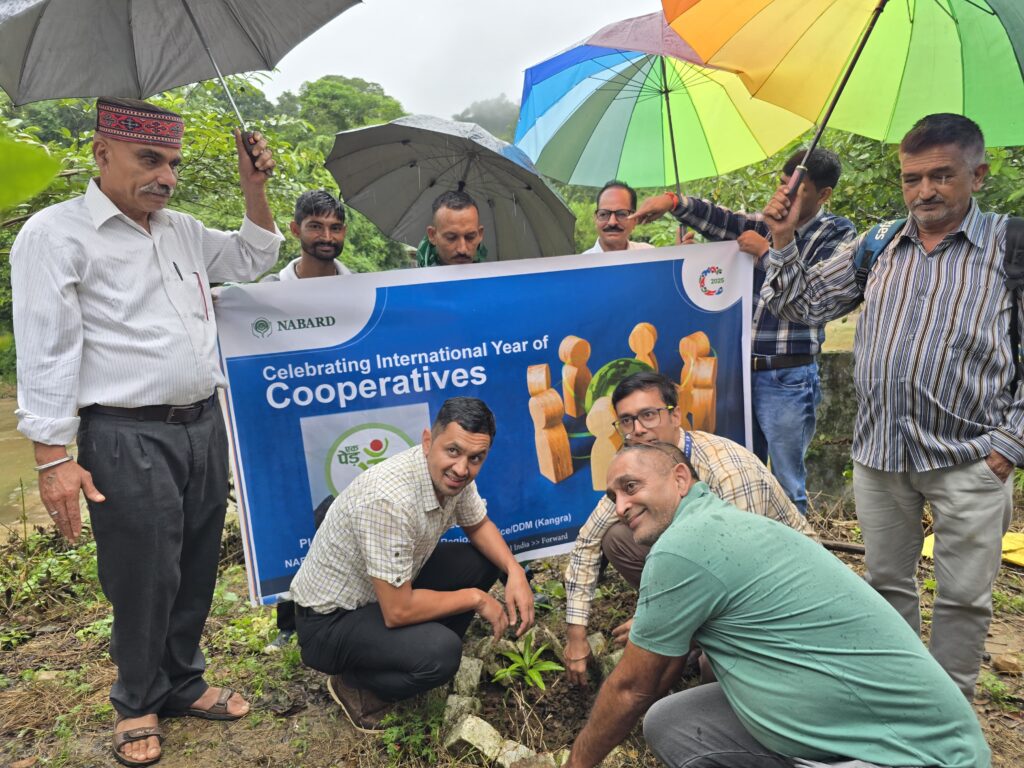
Our visit ended with planting trees at the local school. This was important because:
- Children learn to care for nature
- Community feels proud of green initiatives
- Education becomes practical and meaningful
What We Learned: Key Points for Success
Immediate Actions Needed
Include Women:
- Hold meetings when women can attend
- Maybe split meetings – men in morning, women in evening
- Make sure women’s voices are heard
Spread Awareness:
- Tell farmers about Kisan Credit Card
- Explain other government schemes
- Use simple language and local examples
Provide Training:
- Teach modern farming methods
- Show proper animal care
- Demonstrate new crops and techniques
Long-Term Planning
Build Slowly and Naturally:
- Don’t rush to form big groups
- Let farmers choose their partners
- Support natural leaders
Learn from Hans Foundation:
- Work on health, education, and income together
- Help with disasters and emergencies
- Use Self-Help Group model
Use NABARD Support:
- Apply for matching grants
- Get professional training
- Set up proper accounting systems
What Makes FPOs Successful
Community Participation:
- Everyone should be involved, especially women
- Regular meetings and discussions
- Transparent decision-making
Local Leadership:
- Train people from the village itself
- Don’t depend on outsiders
- Build confidence in local leaders
Continuous Learning:
- Regular training programs
- Visits to successful FPOs
- Learning from experts
Market Connections:
- Find buyers for products
- Get fair prices for farmers
- Build long-term relationships
Our Final Thoughts
The journey back from Kona Village was as challenging as the road ahead for rural development. But we saw hope in the farmers’ eyes and determination in their voices.
The farmers of Kona Village represent the strength of rural India. They work hard, care for their land, and want to improve their lives. With the right support, inclusive participation, and respect for their knowledge, they can achieve great success.
Key Messages:
- Women must be equal partners in all activities
- Government schemes should reach every farmer
- Training and education are essential
- Working together is more powerful than working alone
- Environmental care is everyone’s responsibility
The seeds of change are ready to grow. Now we need to water them with proper support, nurture them with inclusive participation, and harvest the fruits of collective prosperity.
This report is based on our field visit to assess how Farmer Producer Organizations can help rural communities. The insights come from talking directly with farmers, development workers, and bank officials.