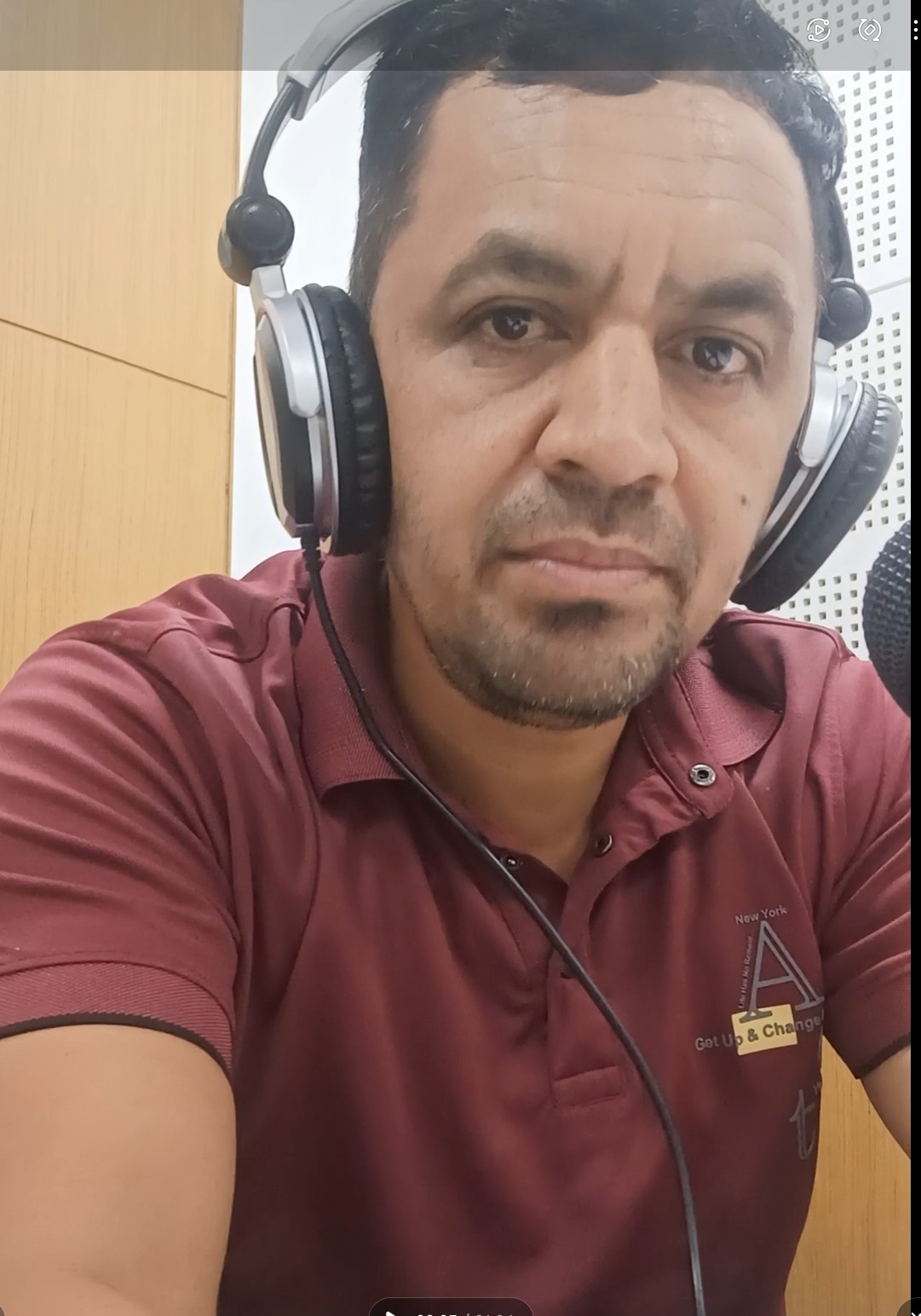
Recently, I had the privilege of participating as an expert on Animal Husbandry Welfare Programmes on All India Radio Dharamshala’s Kisan Vani program—a live phone-in show dedicated to addressing farmers’ concerns across Himachal Pradesh. What unfolded during those 50 minutes was a vivid demonstration of radio’s enduring power to bridge the gap between agricultural expertise and grassroots farming challenges.
Ten Voices, Ten Stories
In less than an hour, ten farmers reached out with their concerns, each call painting a picture of the diverse challenges facing our agricultural community:
From Jawali, a farmer inquired about the availability of Chebro birds through the animal husbandry department—highlighting the growing interest in indigenous poultry breeds.
A buffalo owner from Nurpur with five animals wanted detailed information about the Pashu Kisan Credit Card scheme, demonstrating how government financial schemes can support livestock expansion.
Construction concerns emerged when another farmer sought guidance on support schemes for cowshed construction—essential infrastructure for modern dairy farming.
Reproductive health issues featured prominently with calls from Baghli, Kangra about conception difficulties in dairy animals, and from Hamirpur about a five-year-old buffalo that hadn’t conceived—critical concerns affecting farm profitability.
Scheme accessibility became evident when a farmer from Chari, Dharamshala, shared his frustration about not receiving benefits from the pregnant cow subsidy scheme despite being from a BPL family.
Health emergencies were addressed when a farmer called about diarrhea in his cow, requiring immediate veterinary guidance.
Poultry expansion queries came from Hamirpur about bird availability, while a young farmer from Nurpur raised the sensitive issue of male buffalo calf culling—a practice that troubles many ethically conscious farmers.
Beyond Problem-Solving: Building Trust
What struck me most wasn’t just the variety of issues, but the opportunity this platform provided to do more than answer questions. I was able to comprehensively cover various animal husbandry schemes, ensuring farmers understood not just solutions to their immediate problems, but also the broader support systems available to them.
The program became a conduit for:
- Building faith in government schemes and veterinary science
- Creating connections between isolated farmers and expert resources
- Providing reassurance that their concerns are heard and valued
- Disseminating information about schemes that many farmers weren’t aware of
The Radio Advantage
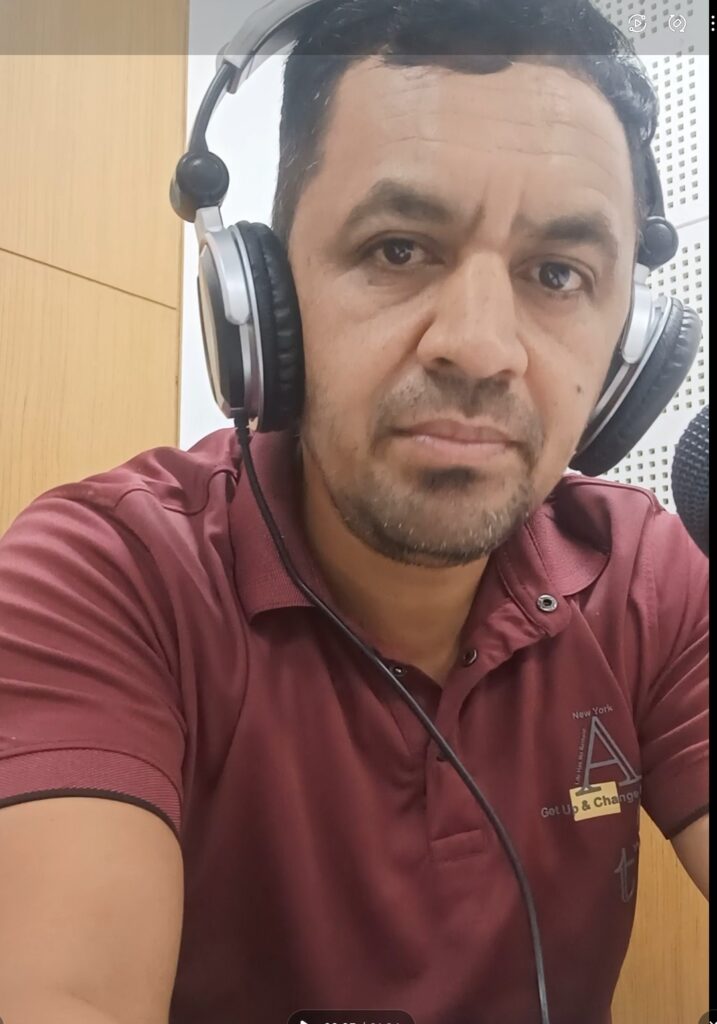
Radio’s unique strengths were on full display during this program:
Accessibility: Farmers from remote areas could connect instantly without traveling to district headquarters or veterinary centers.
Real-time interaction: Live phone-ins allowed for immediate clarification and follow-up questions, something pre-recorded programs cannot offer.
Regional reach: The program connected farmers across multiple regions—Kangra, Nurpur, Hamirpur, and Dharamshala—creating a virtual farming community.
Language comfort: Broadcasting in hindi and local language eliminated barriers that often exist in written communications or urban-centered programs.
A Gender Observation
An interesting pattern emerged—all ten callers were male farmers. This observation opens important questions about agricultural communication patterns. It may reflect:
- Traditional gender roles in livestock management
- Greater comfort levels among male farmers with public radio participation
- Existing communication preferences in rural communities
This insight suggests opportunities for targeted outreach programs that might encourage broader participation across gender lines.
The Ripple Effect
The true impact of such programs extends far beyond the ten farmers who called. Each conversation likely resonated with countless silent listeners facing similar challenges. The farmer struggling with buffalo conception in Hamirpur probably helped dozens of others recognize similar symptoms in their animals. The discussion about Pashu Kisan Credit Cards likely prompted many to explore these financial instruments.
Radio’s Continuing Relevance
In our digital age, it’s easy to assume that radio has lost its relevance. Yet programs like Kisan Vani prove otherwise. While smartphones and internet connectivity remain inconsistent in rural areas, radio waves reach every corner of our mountainous state. The medium’s intimacy—that sense of one-on-one conversation—creates trust in ways that impersonal digital platforms often cannot.
Moving Forward
This experience reinforced my belief in the power of accessible, expert-led agricultural programming. It highlighted the need for:
- Regular availability of veterinarians on radio platforms
- Structured follow-up systems for complex cases that require ongoing support
- Better integration between radio programs and government scheme implementation
- Documentation and analysis of common concerns to inform policy decisions
Conclusion
Those 50 minutes on AIR Dharamshala’s Kisan Vani program were more than just a radio show—they were a masterclass in veterinary extension services. They demonstrated radio’s unique ability to create immediate, meaningful connections between expertise and need, between policy and implementation, between isolation and community.
As we continue to modernize agriculture, we must not overlook the importance of traditional media in serving our farming community. Radio remains a vital bridge—one that connects not just voices across the airwaves, but hearts and minds across our agricultural landscape.
The ten farmers who called that day reminded me why I chose extension work: because behind every question about buffalo conception or poultry availability is a family depending on livestock for their livelihood, seeking guidance to build a better future.
Acknowledgments
I would like to thank Dr Ritesh Roy and Dr Deepika Negi for their valuable inputs that enriched the discussion during the program.
The author is an agricultural expert specializing in animal husbandry and has been actively involved in farmer outreach programs across Himachal Pradesh.
His blog is based on his recent Radio Talk on Animal Husbandry initiatives such as Pashu Kisan Credit Card Scheme, Farmer Producer Organization and other dairy, poultry welfare schemes for farmers.