Executive Summary
This report presents findings and actionable recommendations from a field data collection exercise in Village Chandpur (Palampur, Kangra) with a focus on disaster management and animal husbandry. The area is vulnerable to earthquakes and forest fires. General community awareness and emergency preparedness for livestock are low. While routine veterinary vaccination coverage is reasonably good, outbreaks of Foot-and-Mouth Disease (FMD) and Lumpy Skin Disease (LSD) have occurred in recent years, and animal movement (notably by Gaddi pastoralists) poses additional risk. Most livestock housing is kutcha; households keep 1–2 crossbred dairy cows, and livestock is often a secondary income source. Paraveterinary staff are the primary first responders for animal health issues. The report outlines identified hazards, vulnerability & capacity analysis, mitigation measures, an operational disaster preparedness plan for livestock, training and community engagement strategies, and monitoring indicators
1. Introduction
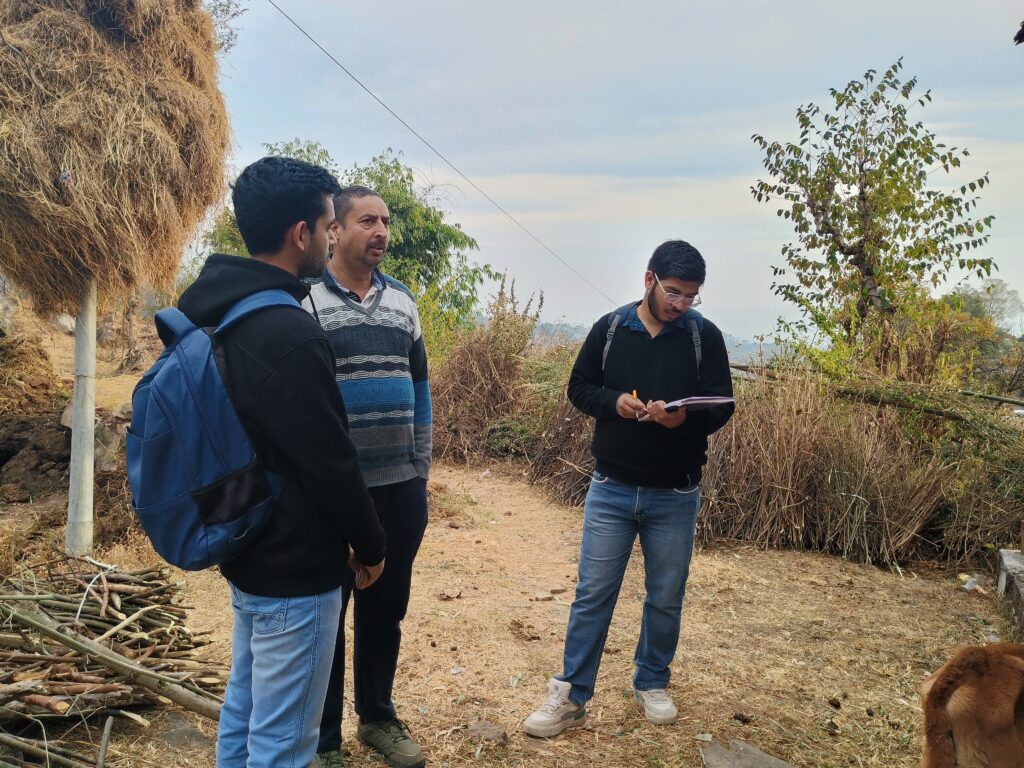
Disasters pose significant threats to rural livelihoods, particularly in hill ecosystems such as Himachal Pradesh where agriculture and animal husbandry are integral components of household resilience. Livestock not only contribute to food security and income generation but also serve as critical livelihood assets during and after disasters. Recognizing this, a Field Data Collection Exercise on Disaster Management with Focus on Animal Husbandry was undertaken by the students of Veterinary College, Palampur on 18 December 2025 in Village Chandpur, District Kangra, Himachal Pradesh.
The exercise was conducted under the guidanceof Dr. Devesh Thakur and Dr. Rakesh Ahuja, faculty members from the Department of Veterinary & Animal Husbandry Extension Education, with the objective of assessing disaster risk, preparedness, and mitigation measures related to livestock and allied sectors at the village level.
2. Objectives of the Field Exercise
- To assess disaster vulnerability of Village Chandpur with special reference to animal husbandry.
- To evaluate the level of community awareness and preparedness for disasters.
- To document livestock health status, disease risks, and veterinary service accessibility.
- To identify gaps in disaster preparedness related to livestock management.
- To propose mitigation and preparedness strategies relevant to local conditions.
- To sensitize students and stakeholders about integrated disaster management planning involving livestock.
3. Study Area Profile
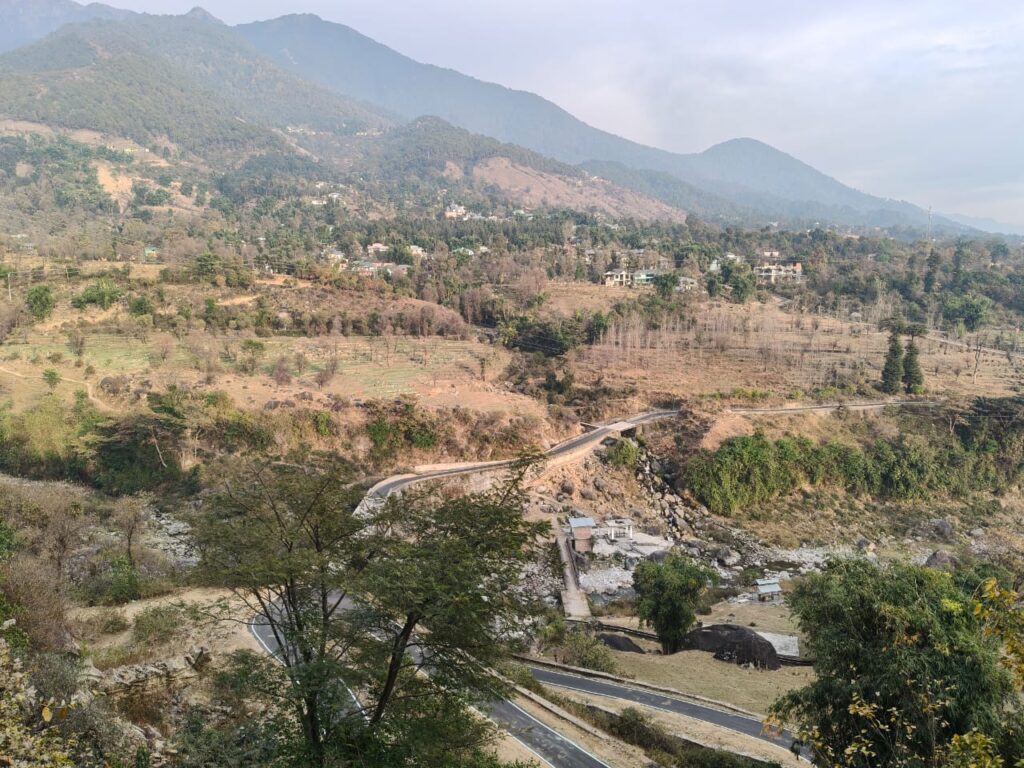
Village Chandpur is located in the Palampur region of Kangra district, characterized by:
- Proximity to forest areas
- Hilly terrain
- Dependence on mixed livelihoods including service/private jobs, agriculture, and livestock rearing
The village has a predominantly smallholder livestock production system, with most households owning 1–2 dairy animals, mainly Jersey crossbred cattle.
Methodology
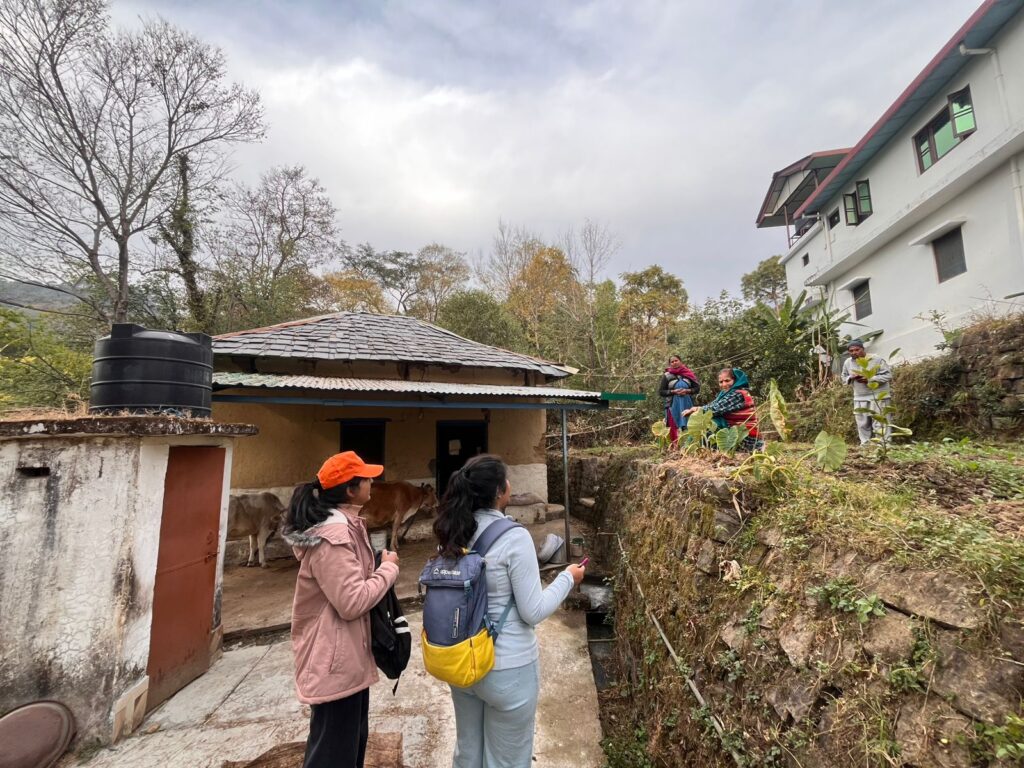
- Team: Veterinary College Palampur faculty and students.
- Dates: 18/12/2025 (one-day field visit) with interviews, observations, and community discussions.
- Data collection tools:
- Household livestock survey (short structured questionnaire)
- Key informant interviews (paraveterinary staff, panchayat members, youth)
- Direct observation of animal housing, fodder storage, access routes
- Rapid risk mapping with villagers (sketch maps)
4. Disaster Risk Profile of the Village
4.1 Major Hazards Identified
- Earthquakes: The region lies in a seismically active zone.
- Forest Fires: The village is located close to forested areas, and several households reported past incidents of forest fires in nearby forests.
- Heavy Rains: Seasonal heavy rainfall affecting livestock housing and fodder availability.
4.2 Exposure and Vulnerability
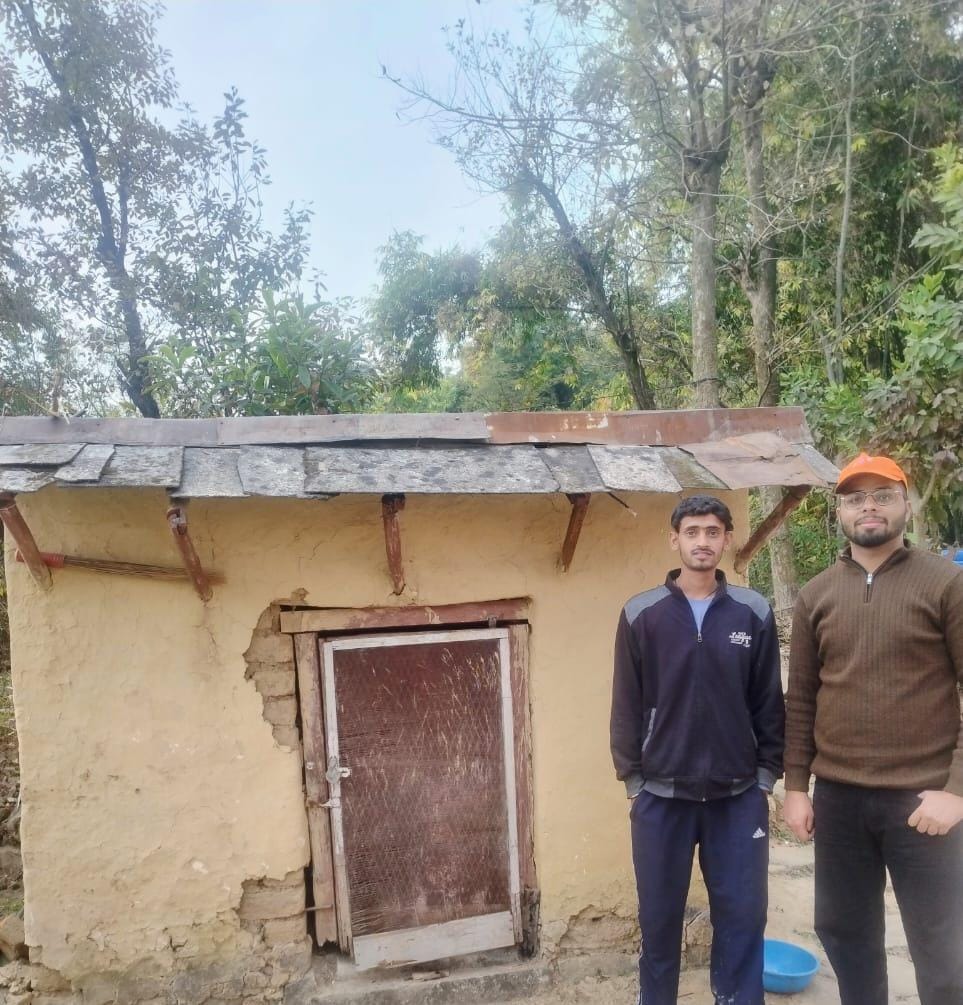
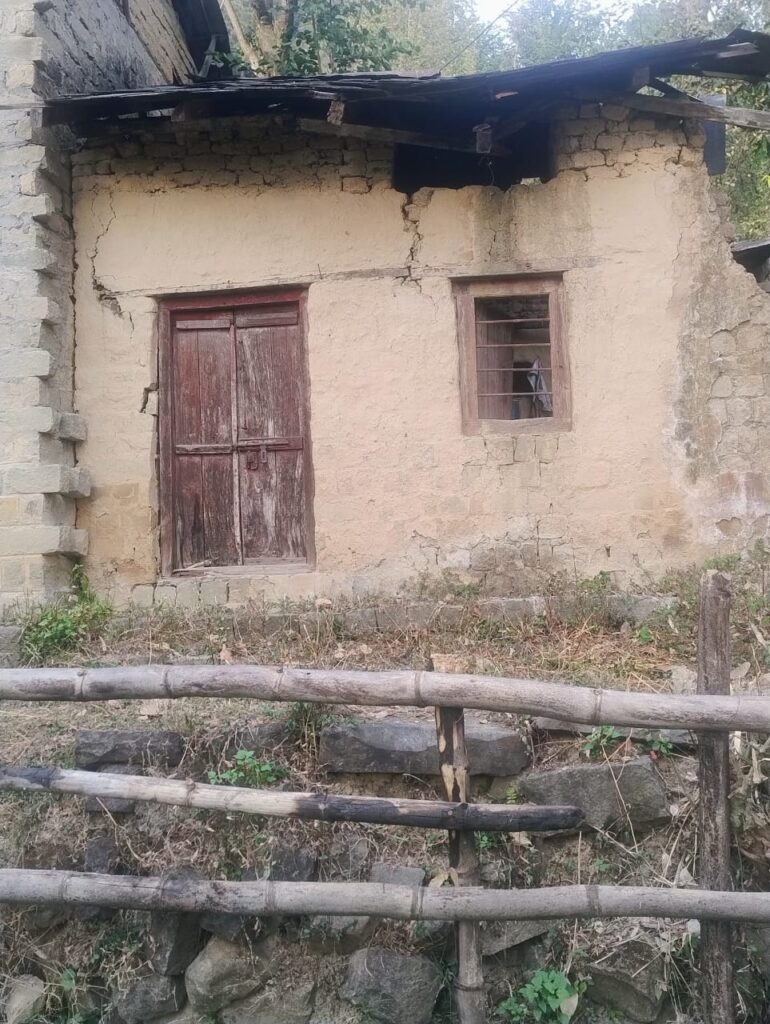
- Kutcha livestock and poultry sheds
- Lack of evacuation routes and animal shelters
- Limited fodder storage capacity
- Dependence on external veterinary support during emergencies
Risk Matrix for Livestock in Chandpur
| Hazard | Impact on Livestock | Probability | Severity | Key Vulnerabilities |
| Earthquake | Structural collapse | High | High | Kutcha sheds |
| Forest Fire | Burns, smoke inhalation | High | High | Forest proximity |
| Heavy Rains | Flooding, landslides | Medium | Medium | Poor drainage |
| Disease Outbreak | FMD/LSD spread | Medium | High | Migration, no meds |
5. Community Awareness and Preparedness
5.1 General Awareness
- General awareness regarding disaster management was found to be low.
- No formal community-level disaster preparedness plan was reported.
- Emergency preparedness for livestock was minimal to absent.
5.2 Training and Capacity Building
- Some village youth had attended School-level disaster response training by SDRF, indicating limited but positive exposure.
- No community-based awareness programs on veterinary disaster management had been conducted in the village.
Positive Findings from Chandpur Village
| Capacity | Current Status | Implication |
| Vaccination Coverage | Good | Animals have baseline immunity; foundation for disease prevention exists |
| Paraveterinary Staff Presence | Available and trusted locally | Strong community focal point for animal health advice and intervention |
| Community Livestock Ownership | ~95% household participation | Shared interest in animal welfare; potential for collective action |
| Youth Engagement | School-level SDRF training attended | Reservoir of younger population trained in disaster response |
| Livestock Preference | Jersey Crossbreeds (high-value animals) | Economic incentive for protective measures; farmers motivated for investment |
| Community Social Capita | Active panchayat involvement (Not Sure ??) | Institutional framework for collective decision-making and resource mobilization |
6. Animal Husbandry Practices and Livestock Health
6.1 Livestock Ownership Pattern
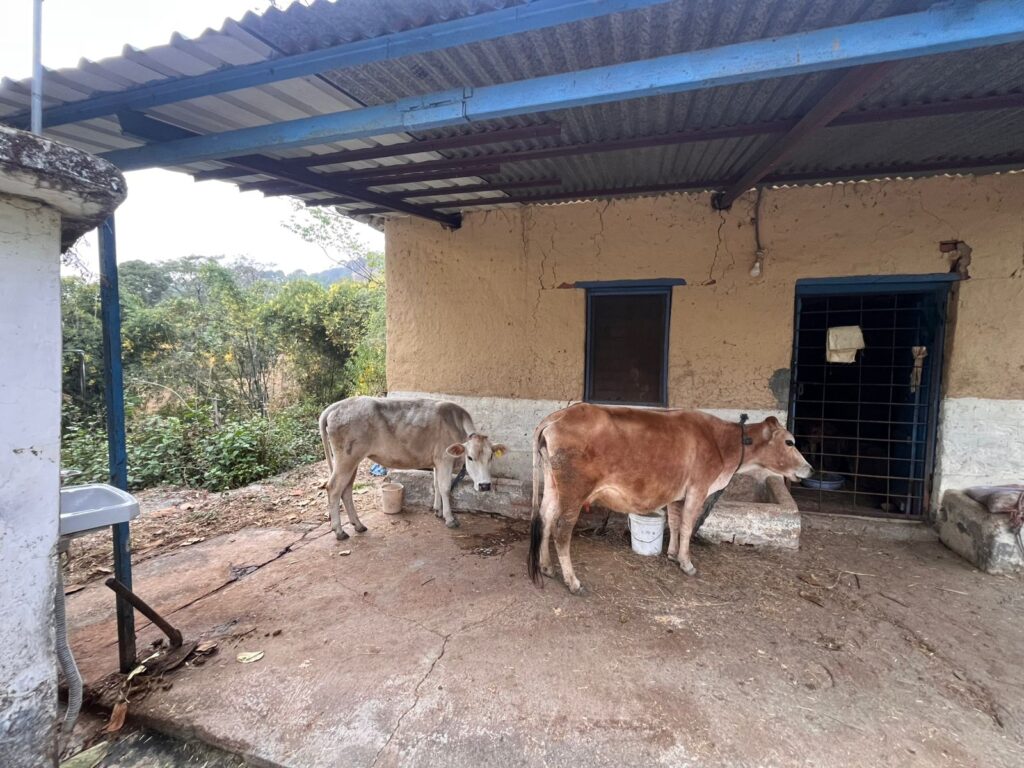
- Majority of households owned 1–2 dairy cattle, mainly Jersey crossbred.
- Livestock rearing is common, though considered a secondary source of income, with service/private jobs as the primary income source.
6.2 Housing Conditions
- Most cattle and poultry sheds were Kutcha in nature, making them vulnerable to:
- Heavy rains
- Forest fires
- Earthquakes
6.3 Livestock Priority during Disasters
- Livestock, particularly dairy animals, were considered a high priority asset by owners during disaster situations due to their economic importance.
7. Animal Health Services and Disease Risk
7.1 Veterinary Service Access
- Paraveterinary staff emerged as the most important focal person for animal health interventions due to:
- Local availability
- On-call service provision
- The Veterinary College, Palampur was approached mainly for major or complicated health issues.
7.2 Disease Incidence
- Vaccination coverage was reported to be generally good.
- However, farmers reported outbreaks of:
- Foot and Mouth Disease (FMD)
- Lumpy Skin Disease (LSD)
in the past few years.
- Vulnerabilities of Livestock
| Hazard | Kutcha Housing Risk | Consequence |
| Earthquake | Collapse risk extremely high | Complete loss of shelter; animal injury/death; economic devastation |
| Forest Fire | Thatch roofing highly flammable | Rapid fire spread; entrapment of animals; smoke inhalation deaths |
| Heavy Rain | Poor drainage; water ingress | Waterlogging; foot disease; parasitic disease; animal mortality |
7.3 Disease Risk During Disasters
- Possibility of disease outbreaks during disasters cannot be ruled out due to:
- Stress conditions
- Breakdown of biosecurity
- Migration of sheep and goats by Gaddi pastoralists, which some households associated with the spread of FMD.
7.4 Emergency Preparedness for Animal Health
- No household reported having:
- Emergency stock of veterinary medicines
- First-aid kits for animals
- No designated animal evacuation routes or animal camps were identified.
- Feed and Fodder Management
- Feed and fodder storage capacity was limited to approximately two months.
- No organized fodder banks or conservation practices were reported.
- During prolonged disasters, fodder scarcity could become a major constraint affecting livestock survival.
Infrastructure & Livestock Management in Village Chandpur
| Aspect | Observation | Implication for Disaster Risk |
| Livestock Housing | Predominantly Kutcha (temporary: thatch, mud, wood). | Highly vulnerable to collapse during earthquakes, destruction by forest fires, and damage from heavy rains. |
| Feed Storage | Limited to 2 months’ supply. | Inadequate for sustained periods of crisis where supply chains are disrupted. |
| Livestock Priority | For owners, livestock is second priority during disaster planning. Most households have 1-2 Jersey crossbred animals, often viewed as a supplementary income source. | May lead to abandonment or delayed evacuation of animals, increasing loss and suffering. |
| Primary Income | Service/Private Jobs > Farming/Livestock. | While livestock is common, its perceived economic value may not drive proactive investment in disaster-resilient practices. |
9. Key Gaps Identified
- Low level of disaster awareness related to livestock management.
- Absence of village-level animal disaster preparedness plans.
- Vulnerable livestock housing structures.
- Lack of emergency veterinary medicine stocks.
- No mapping of evacuation routes, animal shelters, or aid points.
- Limited fodder conservation and storage.
- Risk of infectious disease outbreaks during disaster situations.
10. Mitigation and Preparedness Measures Suggested
Based on field observations and interactions, the following mitigation measures are recommended:
Structural Mitigation
Structural & Physical Measures
10.1. Improvement in Disaster-Resilient Livestock Housing:
Promote the construction of Pucca or reinforced Kutcha sheds using locally available materials.
Design guidelines should include: earthquake-resistant foundations, fire-retardant roofing (e.g., tin sheets instead of thatch), and elevated platforms to protect from water ingress during heavy rains.
Role of PRIs/Block Dept.: Integrate shed design templates and potential micro-finance linkages into existing rural development schemes (e.g., MGNREGA).
10.2. Animal Health & Nutrition Security
- Train farmers in silage and hay-making techniques to create a feed bank sufficient for 4-6 months.
- Establish community fodder banks in safe locations.
- Ensure 100% vaccination coverage for FMD and LSD, with a special pre-monsoon/disaster-prone season drive.
- Strengthen surveillance along migratory routes (Gaddi pastoralists) through joint initiatives with the Animal Husbandry Department and Panchyats.
- Institutionalize regular deworming and mineral mixture supplementation to improve overall animal resilience to stress.
10.3. Community Sensitization Workshops:
- Conduct regular, participatory workshops involving farmers, women, and youth.
- Modules to include: early warning signs, simple first-aid for animals, safe animal handling during evacuation, and water harvesting for animals.
10. 4. Mapping & Plan Formulation (Critical Action):
Create a Village-Level Animal Disaster Management Plan. This must be a collaborative effort between the Gram Panchayat, Veterinary Department, and SDRF/DDMA.
The plan should clearly map and disseminate:
- Evacuation Routes for livestock to safe grounds.
- Location of Animal Shelter/Camps (e.g., community grounds, gaushalas).
- Aid Points for emergency feed and medicine distribution.
- Contact Directory of PVS, veterinary officers, transporters, and volunteers.
Action Plan
| Measure | Lead Agency | Timeline | Budget Estimate (INR) | Monitoring Indicator |
| Shed Improvement | Panchayat/Vet College | 6 months | 5-10 lakhs/village | Improved sheds |
| Fodder Conservation | Dist. Animal Husbandry | 3 months | 2 lakhs | Storage capacity |
| Vaccination/Health | Paravets/College | Ongoing | 1 lakh/year | Coverage % |
| Workshops & Mapping | SDRF/Panchayat | Quarterly | 50k/event | Trained villagers |
10.5 Institutional Strengthening
- Empower the Paraveterinary Staff: Equip the PVS with a basic “vet-on-call” emergency kit and include them as a key member of the Village Disaster Management Committee (VDMC).
- Drills and Simulation: Organize bi-annual simulation exercises involving the evacuation and treatment of animals, co-led by SDRF and the Veterinary College.
- Leverage Trained Youth: Engage the youth who attended SDRF training as “Animal Disaster Volunteers” within the village.
10.6.Community Capacity Building
- Conducting community sensitization workshops on disaster management with special focus on animal husbandry.
- Inclusion of Panchayat members, paraveterinary staff, and progressive farmers in training programs.
10.7.Planning and Mapping
- Mapping of evacuation routes, animal shelters, temporary animal camps, and veterinary aid points at village level.
- Integration of livestock disaster management into the Village Disaster Management Plan (VDMP).
11. Conclusion
The field data collection exercise in Village Chandpur highlighted that while livestock rearing is widespread and economically important, disaster preparedness related to animal husbandry remains inadequate. Addressing structural vulnerabilities, strengthening animal health services, improving fodder security, and enhancing community awareness are essential for building disaster-resilient rural livelihoods in the Palampur region of Kangra district. Integrating animal husbandry into disaster management planning at village and district levels will significantly reduce losses and improve post-disaster recovery.
Prepared by: Students , Veterinary College Palampur
Team Leaders: Dr. Devesh Thakur & Dr. Rakesh Ahuja
Date: 19/12/2025
Palampur, Himachal Pradesh
Annexure I
Livestock-Focused Disaster Preparedness Plan (Operational) for Chandpur Village,Palampur
Plan to be adopted at village level and coordinated with the panchayat and district authorities.
Preparedness phase
- Form Village Animal Disaster Management Committee (VADMC): Chair (panchayat), Vet/Paravet (technical lead), 2–3 trained volunteers (youth), 1 school representative, 1 representative from veterinary college (liaison).
- Create and display a livestock disaster map showing evacuation routes, animal shelters, water points, fodder store, and aid points.
- Maintain an emergency stock: essential medicines, antiseptics, IV fluids, disinfectants, PPE, catch-poles, ropes, portable corrals. Inventory and expiry monitoring every 6 months.
- Vaccination calendar synchronized with seasonal risks and pastoral movements.
- Fodder bank: at least 3–4 months equivalent community reserve in a protected store.
Response phase (during disaster)
- Activate VADMC and notify SDRF and district veterinary officer.
- Prioritize human safety; if animals are evacuated, follow pre-mapped routes to designated animal shelter/camps.
- Rapid triage by paravet: isolate suspect infectious animals; implement disinfection protocols and movement control.
- Shelter management: designate zones (sick/quarantine, milking animals, small ruminants, poultry) and assign volunteers.
- Record-keeping: ledger of evacuated animals, owner contact, treatments given.
Recovery phase
- Post-event veterinary camps for vaccination, deworming, mineral supplementation, and treatment of injuries.
- Psychosocial and livelihood support: temporary fodder/distribution of feed, restocking assistance if required.
- After Action Review (AAR) with VADMC, SDRF, veterinary college to update plan.
Checklist for households (quick)
- Keep a copy of animal ID and vaccination records in a waterproof folder.
- Keep ropes, halters, and a small kit (disinfectants, basic meds) accessible.
- Know the nearest evacuation route and rendezvous point.
Store fodder in raised, dry places and maintain minimum 3 months buffer ideally
Limitations of the Report
- Single-day visit; seasonal variations and detailed epidemiological sampling not conducted.
- Incomplete baseline information – Missing precise household census, disease records, livestock numbers, and historical disaster impact data
- Underrepresented stakeholders – Limited inclusion of all stakeholders
- Lack of technical verification – Disease observations unconfirmed; structural assessments largely qualitative rather than quantitative surveys