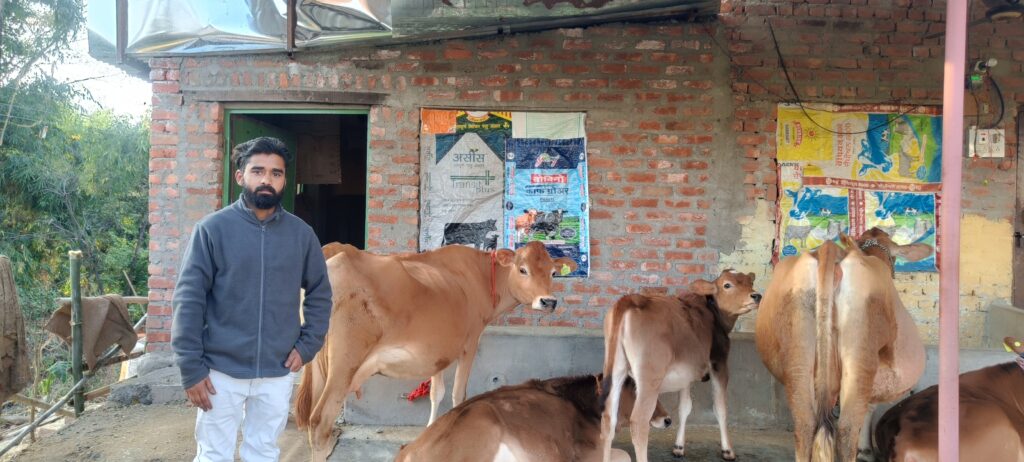
Dairy farming offers rural youth a sustainable income source.It provides an opportunity to contribute to the agricultural economy while ensuring financial stability. Recently, I visited Arindam, a young entrepreneur with an engineering background who has successfully ventured into dairy farming .Starting with just one cow, he has now expanded his herd to six to seven animals. His success highlights the viability of dairy farming as a profitable and impactful venture. Here are three key lessons I learned from my visit, along with actionable advice for prospective dairy entrepreneurs.
1. Invest in Quality Infrastructure: The Importance of Cow Mats
One of the first things I noticed during my visit was Arindam’s focus on creating a comfortable environment for his cows. He emphasized the importance of using cow mats, which are available online on platforms like Amazon(https://www.amazon.in/Cow-Mats/s?k=Cow+Mats).These mats cost between ₹1,800 and ₹3,000, depending on quality.
Why Cow Mats Matter:
- Cow mats provide comfort to the animals, reducing stress and improving milk production.
- They prevent injuries caused by slipping, especially when using low-quality mats.
Actionable Advice:
- Invest in Quality: Don’t compromise on the quality of cow mats. High-quality mats may cost more initially but will save you money in the long run by reducing veterinary expenses and improving cow health.
- Research Before Buying: Compare products online, read reviews, and choose mats that are durable and non-slip.
- Regularly inspect and maintain the mats to avoid wear and tear.
- Explore bulk purchasing options to reduce costs over time.
2. Focus on Calf Rearing: A Key to Long-Term Success
Arindam’s second lesson was the importance of calf rearing. He shared that proper care during the early stages of a calf’s life is critical for its growth and future productivity.
Key Practices He Follows:
Feeding: He used calf starter feed (₹1,800 per 50 kg) for the first three months, followed by calf grower feed (₹1,600 per 50 kg). One of his calves, which showed signs of heat at just 9–10 months of age. By 13 months, the calf was ready for insemination. He now uses Godrej feed (₹1,350 per bag), which he found more effective than his previous choice.
Mineral Mixtures: He supplements his calves’ diet with mineral mixtures from trusted brands like Mankind and Cargill. Initially, he bought 5 kg packs for ₹1,000, but he now purchases 21 kg packs for ₹3,000, reducing his cost of production.
Deworming: He dewormed his calves every month until they were six months old, a practice he learned from YouTube and supported by NDDB (National Dairy Development Board).
Actionable Advice:
- Follow a Deworming Schedule: Regularly deworm calves to prevent parasitic infections and ensure healthy growth.
- Use Quality Feed: Invest in calf starter and grower feeds to promote early development.
- Supplement with Minerals: Add mineral mixtures to their diet to meet nutritional requirements.
- Leverage Online Resources: Platforms like YouTube and NDDB’s official channels offer valuable insights into best practices for calf rearing.
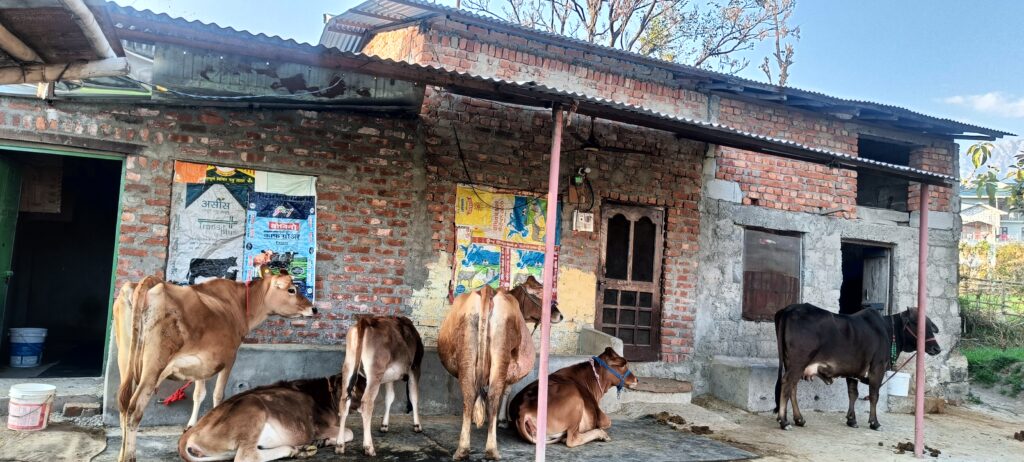
3. Prioritize Animal Health: Timely Veterinary Care
Arindam’s third lesson was the importance of timely veterinary care. One of his cows fell ill and stopped eating for a few days. He immediately took the animal to the nearest veterinary college, where it was diagnosed with liver impairment. With proper treatment, the cow showed signs of improvement.
Why Timely Care Matters:
- Early diagnosis and treatment can prevent severe health issues and reduce mortality rates.
- Healthy cows are more productive, ensuring a steady income from milk production.
Actionable Advice:
- Build a Relationship with a Veterinarian: Identify the nearest veterinary clinic or college and establish a connection before emergencies arise.
- Monitor Animal Health Closely: Keep an eye on your animals’ behavior, appetite, and milk production. Any changes could indicate health issues.
- Invest in Preventive Care: Regular check-ups, vaccinations, and deworming can prevent many common diseases.
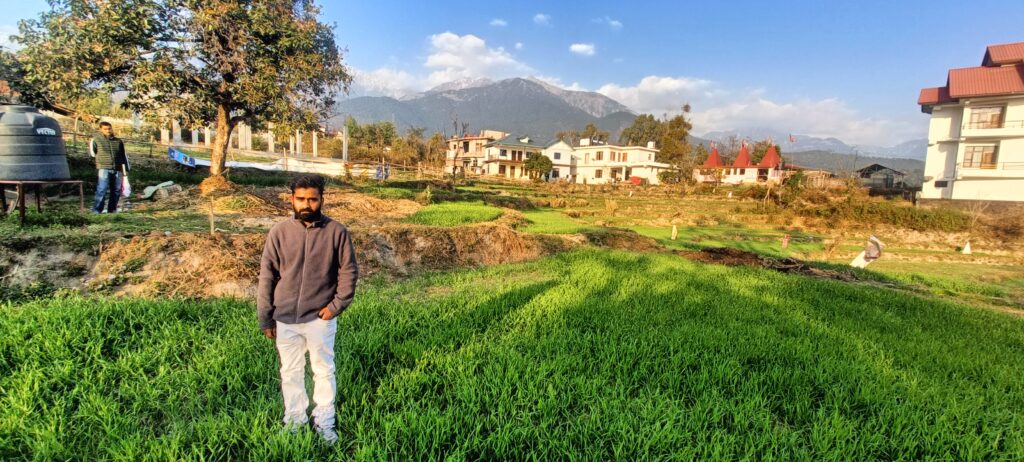
Conclusion: Start Small, Learn, and Scale
Arindam’s journey from one cow to a small herd shows the power of focus, continuous learning, and adaptability. For aspiring dairy entrepreneurs, his story offers three actionable lessons:
- Invest in quality infrastructure like cow mats to ensure animal comfort and safety.
- Focus on calf rearing to build a healthy and productive herd.
- Prioritize animal health by seeking timely veterinary care and following preventive measures.
Dairy farming is not just about milking cows; it’s about creating a sustainable ecosystem where animals are healthy, comfortable, and productive. By following these lessons and leveraging available resources, you can turn your dairy farming dream into a successful reality.
Are you ready to start your dairy farming journey? Share your thoughts