प्रस्तावना: गरीबी को केवल भूख के रूप में देखना क्यों गलत है
जब भी हम गरीबी की कल्पना करते हैं, तो सबसे पहले हमारे मन में भूख की तस्वीर उभरती है। सूखे चेहरे, खाली बर्तन, कुपोषित बच्चे और ऐसे परिवार जो अपने अगले भोजन के लिए संघर्ष कर रहे हों। वर्षों से मीडिया, अंतरराष्ट्रीय सहायता संस्थाएँ और सरकारी योजनाएँ गरीबी को मुख्य रूप से भूख से जोड़ती रही हैं।
लेकिन क्या गरीबी वास्तव में केवल भोजन की कमी है?
क्या यह संभव है कि गरीब लोग हमेशा वैसे भूखे नहीं होते जैसा हम सोचते हैं? क्या गरीबी सिर्फ कैलोरी की कमी नहीं बल्कि उससे कहीं अधिक जटिल सामाजिक, आर्थिक और मनोवैज्ञानिक समस्या है?
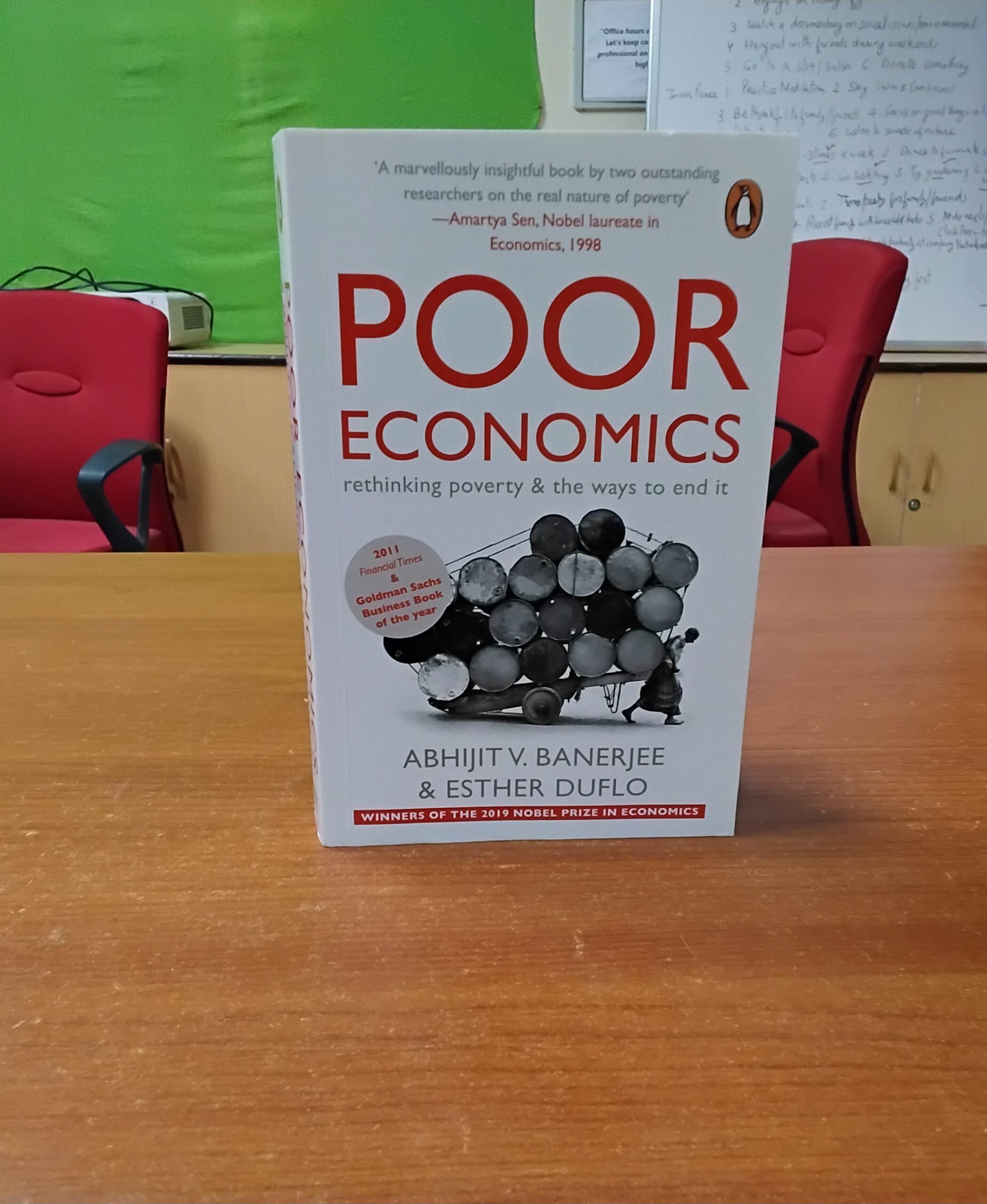
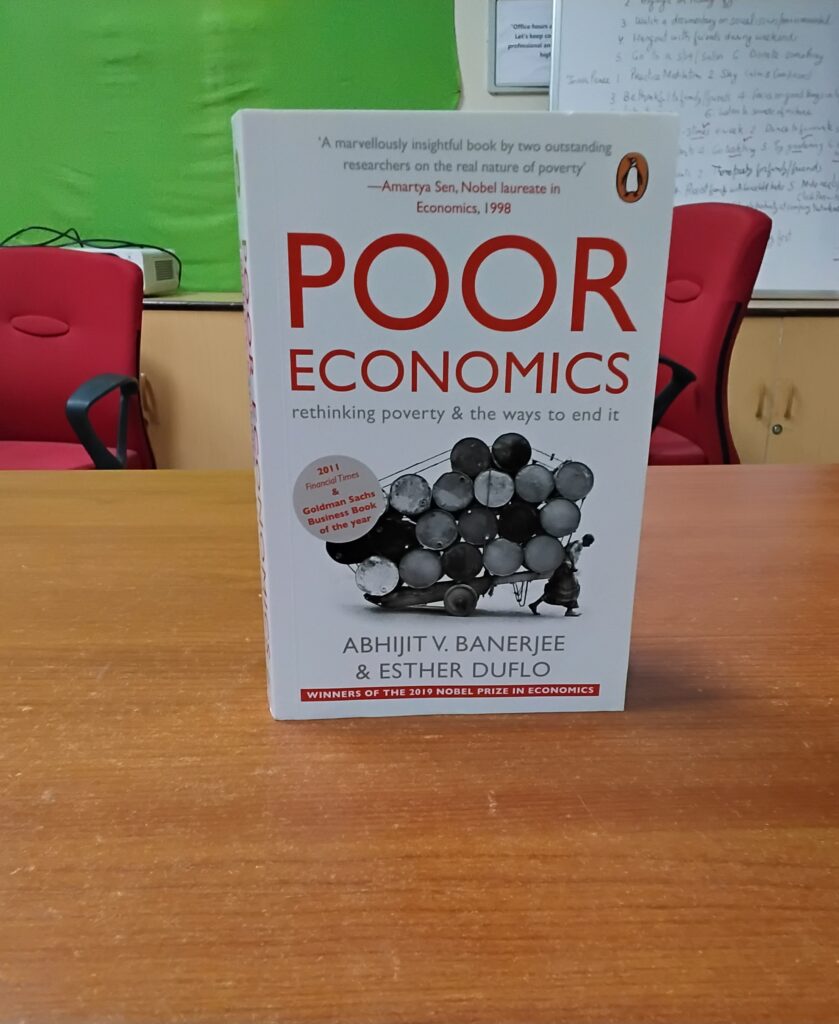
इन्हीं सवालों को अर्थशास्त्री अभिजीत बनर्जी और एस्थर डुफ्लो ने अपनी प्रसिद्ध पुस्तक Poor Economics में उठाया है। “A Billion Hungry People?” नामक अध्याय में वे उस पारंपरिक धारणा को चुनौती देते हैं कि गरीब लोग इसलिए गरीब बने रहते हैं क्योंकि उनके पास इतना भोजन नहीं होता कि वे उत्पादक तरीके से काम कर सकें।
यह अध्याय केवल सिद्धांतों की बात नहीं करता, बल्कि भारत, इंडोनेशिया, अफ्रीका और अन्य विकासशील देशों के गांवों, मजदूरों और परिवारों के वास्तविक जीवन के अनुभवों पर आधारित है। लेखकों के निष्कर्ष बताते हैं कि गरीबी और भूख का संबंध उतना सरल नहीं है जितना हम समझते आए हैं।
यह अध्याय हमें मजबूर करता है कि हम गरीबों के बारे में अपनी धारणाओं पर पुनर्विचार करें। गरीब लोग हमेशा अतिरिक्त पैसा भोजन पर ही खर्च नहीं करते। वे भी बाकी लोगों की तरह सम्मान, स्वाद, मनोरंजन, सामाजिक संबंध और थोड़ी खुशी चाहते हैं।
गरीबी केवल खाली पेट की कहानी नहीं है। यह इंसानी इच्छाओं, संघर्षों और कठिन चुनावों की कहानी है।
पारंपरिक सोच: गरीबी और पोषण का जाल
कई दशकों तक अर्थशास्त्रियों और नीति-निर्माताओं का मानना था कि गरीब लोग “पोषण आधारित गरीबी जाल” में फंसे होते हैं।
इस सिद्धांत के अनुसार:
कम आय → कम भोजन → कमजोर शरीर → कम उत्पादकता → फिर कम आय
अर्थात गरीब व्यक्ति पर्याप्त भोजन नहीं खरीद पाता। पर्याप्त भोजन न मिलने के कारण वह कमजोर हो जाता है और ठीक से काम नहीं कर पाता। कम काम करने की क्षमता के कारण उसकी आय कम रहती है और वह हमेशा गरीब बना रहता है।
यह विचार बहुत प्रभावशाली बन गया। दुनिया भर की सरकारों ने गरीबों को सस्ता अनाज उपलब्ध कराने के लिए खाद्य सब्सिडी योजनाएँ शुरू कीं। विकास नीतियों में भूख को गरीबी का सबसे बड़ा कारण माना जाने लगा।
पहली नजर में यह तर्क बिल्कुल सही लगता है। आखिरकार, इंसान को काम करने के लिए ऊर्जा चाहिए और ऊर्जा भोजन से मिलती है।
लेकिन Poor Economics के लेखक बताते हैं कि वास्तविकता इससे कहीं अधिक जटिल है।
पाक सोलहिन की कहानी: गरीबी के जाल का वास्तविक उदाहरण
अध्याय में इंडोनेशिया के एक गरीब मजदूर पाक सोलहिन की कहानी बताई गई है।
पाक सोलहिन खेतों में मजदूरी करते थे। बढ़ती खाद्य कीमतों और कम रोजगार के कारण उनकी आय घट गई। पर्याप्त भोजन न मिलने से उनका शरीर कमजोर होने लगा। धीरे-धीरे वे इतने कमजोर हो गए कि खेत मालिकों ने उन्हें काम देना बंद कर दिया।
यह कहानी पोषण आधारित गरीबी जाल का एक स्पष्ट उदाहरण लगती है।
कम भोजन → कमजोर शरीर → काम न मिलना → और अधिक गरीबी
ऐसी कहानियाँ हमें यह विश्वास दिलाती हैं कि गरीबी का मुख्य कारण भूख ही है।
लेकिन लेखक कहते हैं कि ऐसे उदाहरण मौजूद होने के बावजूद वे सभी गरीब लोगों की स्थिति को नहीं दर्शाते।
असल सवाल यह है:
यदि गरीब लोगों की आय थोड़ी बढ़ जाए, तो क्या वे अपना अधिकांश पैसा अधिक भोजन खरीदने पर खर्च करेंगे?
आश्चर्यजनक रूप से, उत्तर अक्सर “नहीं” होता है।
गरीब लोग अधिक भोजन क्यों नहीं खरीदते?
अध्याय का सबसे रोचक हिस्सा यही है कि गरीब परिवार अतिरिक्त आय मिलने पर हमेशा अधिक कैलोरी खरीदने को प्राथमिकता नहीं देते।
शोध में पाया गया कि जब गरीब परिवारों की आय थोड़ी बढ़ी, तो उन्होंने अधिक चावल या गेहूं खरीदने के बजाय बेहतर और स्वादिष्ट भोजन खरीदना शुरू किया।
उदाहरण के लिए:
- मसालेदार भोजन
- मांस
- मिठाइयाँ
- बेहतर गुणवत्ता वाला खाना
- पैकेज्ड खाद्य पदार्थ
यह देखकर अर्थशास्त्री चौंक गए।
यदि गरीब लोग वास्तव में भूखे हैं, तो वे हर अतिरिक्त रुपये को भोजन पर क्यों नहीं खर्च करते?
उत्तर सरल है: इंसान केवल जीवित रहने के लिए नहीं जीता।
हर व्यक्ति स्वाद, खुशी और सम्मान चाहता है। गरीब लोग भी वही चाहते हैं जो अमीर लोग चाहते हैं — अच्छा भोजन, मनोरंजन और बेहतर जीवन का अनुभव।
सिर्फ सूखा चावल खाकर जीवन बिताना संभव है, लेकिन वह जीवन आनंदहीन हो सकता है।
भारत में घटती कैलोरी खपत का रहस्य
अध्याय में भारत का एक दिलचस्प उदाहरण दिया गया है।
भारत में समय के साथ लोगों की आय बढ़ी, लेकिन औसत कैलोरी खपत कम हो गई।
यह सुनकर अजीब लगता है।
यदि लोग अमीर हो रहे हैं, तो वे कम खाना क्यों खा रहे हैं?
इसके पीछे कई कारण हैं।
पहला कारण है बदलती जीवनशैली।
पहले गरीब लोग भारी शारीरिक श्रम करते थे:
- खेतों में काम
- लंबी दूरी पैदल चलना
- पानी ढोना
- हाथ से अनाज पीसना
इन कामों में बहुत अधिक ऊर्जा की जरूरत होती थी।
लेकिन आधुनिक तकनीक, परिवहन और मशीनों के आने से शारीरिक श्रम कम हो गया। इसलिए लोगों को पहले जितनी कैलोरी की आवश्यकता नहीं रही।
दूसरा कारण यह है कि लोग अब सिर्फ पेट भरने के बजाय स्वाद और गुणवत्ता को प्राथमिकता देने लगे हैं।
कैलोरी और पोषण में अंतर
यह अध्याय बार-बार एक महत्वपूर्ण बात समझाता है:
कैलोरी और पोषण एक ही चीज नहीं हैं।
सरकारी योजनाएँ अक्सर सिर्फ अनाज उपलब्ध कराने पर ध्यान देती हैं। लेकिन केवल कैलोरी से स्वस्थ जीवन संभव नहीं।
शरीर को सूक्ष्म पोषक तत्वों की भी आवश्यकता होती है, जैसे:
- आयरन
- आयोडीन
- विटामिन
- जिंक
इनकी कमी से व्यक्ति कमजोर, बीमार और मानसिक रूप से कम विकसित हो सकता है, भले ही वह पर्याप्त कैलोरी ले रहा हो।
विशेष रूप से बच्चों के लिए यह बेहद महत्वपूर्ण है।
बचपन में खराब पोषण:
- दिमागी विकास रोक सकता है
- पढ़ाई पर असर डाल सकता है
- भविष्य की आय कम कर सकता है
इसलिए गरीबी से लड़ाई केवल अधिक भोजन देने की नहीं, बल्कि बेहतर पोषण देने की लड़ाई है।
छिपा हुआ संकट: सूक्ष्म पोषक तत्वों की कमी
अध्याय में बताया गया है कि दुनिया के कई गरीब देशों में आयरन और अन्य पोषक तत्वों की कमी एक बड़ी समस्या है।
आयरन की कमी से एनीमिया होता है, जिसके लक्षण हैं:
- थकान
- कमजोरी
- कम ऊर्जा
- कम कार्य क्षमता
इंडोनेशिया में किए गए एक अध्ययन में पाया गया कि आयरन सप्लीमेंट देने से मजदूरों की उत्पादकता बढ़ गई।
इसी तरह आयोडीन सप्लीमेंट से बच्चों की शिक्षा और मानसिक विकास में सुधार हुआ।
यह दर्शाता है कि गरीबी की समस्या केवल भूख नहीं बल्कि छिपे हुए कुपोषण की भी है।
क्या गरीब लोग गैर-जिम्मेदार होते हैं?
अक्सर लोग सवाल करते हैं:
यदि गरीब लोग परेशान हैं, तो वे टीवी, त्योहार, मोबाइल फोन या मिठाइयों पर पैसा क्यों खर्च करते हैं?
लेखक इस सोच को गलत मानते हैं।
गरीब लोग भी इंसान हैं। उन्हें भी खुशी, मनोरंजन और सम्मान की जरूरत होती है।
गरीबी भरा जीवन अक्सर:
- तनावपूर्ण
- उबाऊ
- थकाऊ
- मानसिक रूप से परेशान करने वाला होता है।
ऐसे में एक टीवी परिवार को थोड़ी खुशी दे सकता है। त्योहार उन्हें सामाजिक जुड़ाव और सम्मान दे सकते हैं।
इसलिए इन खर्चों को केवल “फिजूलखर्ची” कहना उचित नहीं।
सम्मान और सामाजिक दबाव
गरीबी केवल आर्थिक समस्या नहीं, बल्कि सामाजिक समस्या भी है।
हर व्यक्ति चाहता है कि समाज में उसका सम्मान हो।
इसी कारण गरीब परिवार भी:
- शादियों
- त्योहारों
- अंतिम संस्कारों
पर काफी खर्च करते हैं।
समाज में इज्जत बनाए रखना उनके लिए महत्वपूर्ण होता है।
कई बार सामाजिक संबंध भविष्य में सहायता का स्रोत बनते हैं। इसलिए ये खर्च उनके लिए एक प्रकार का सामाजिक निवेश भी होते हैं।
बच्चों के पोषण का महत्व
अध्याय का सबसे मजबूत निष्कर्ष बच्चों के पोषण को लेकर है।
लेखकों के अनुसार, यदि समाज वास्तव में गरीबी कम करना चाहता है, तो उसे बच्चों और गर्भवती महिलाओं के पोषण पर ध्यान देना होगा।
उदाहरण:
- आयरन सप्लीमेंट
- आयोडीन युक्त नमक
- डी-वॉर्मिंग
- स्कूल भोजन योजनाएँ
इनसे बच्चों के भविष्य पर गहरा सकारात्मक प्रभाव पड़ता है।
अच्छा पोषण:
- बेहतर शिक्षा
- बेहतर स्वास्थ्य
- अधिक आय
- अधिक उत्पादकता
की संभावना बढ़ाता है।
गरीबी का वास्तविक कारण क्या है?
यह अध्याय बताता है कि गरीबी का कोई एक कारण नहीं है।
गरीबी कई समस्याओं का मिश्रण है:
- कम आय
- खराब स्वास्थ्य
- शिक्षा की कमी
- पोषण की कमी
- सामाजिक असमानता
- तनाव
- भविष्य की अनिश्चितता
इसलिए गरीबी का समाधान भी केवल भोजन बाँटना नहीं हो सकता।
गरीब भी हमारी तरह इंसान हैं
इस अध्याय की सबसे बड़ी ताकत यह है कि यह गरीबों को आंकड़ों के रूप में नहीं बल्कि इंसानों के रूप में देखता है।
गरीब लोग भी चाहते हैं:
- खुशी
- स्वादिष्ट भोजन
- मनोरंजन
- सम्मान
- बेहतर भविष्य
उनकी इच्छाएँ हमसे अलग नहीं हैं।
यह समझना बहुत जरूरी है क्योंकि अक्सर समाज गरीबों को केवल “जरूरतमंद” या “असमर्थ” मानकर देखता है।
लेकिन यह अध्याय हमें सिखाता है कि गरीब लोग भी कठिन परिस्थितियों में अपने तरीके से जीवन को बेहतर बनाने की कोशिश करते हैं।
नीति-निर्माताओं के लिए सबक
यह अध्याय सरकारों और विकास संस्थाओं के लिए कई महत्वपूर्ण सीख देता है।
- केवल कैलोरी नहीं, पोषण पर ध्यान दें
सरकारों को सूक्ष्म पोषक तत्वों और बच्चों के स्वास्थ्य पर अधिक निवेश करना चाहिए।
- शुरुआती बचपन में निवेश करें
गर्भवती महिलाओं और छोटे बच्चों का पोषण भविष्य की आर्थिक प्रगति तय करता है।
- गरीबों के व्यवहार को समझें
नीतियाँ बनाते समय मानव भावनाओं और सामाजिक वास्तविकताओं को समझना जरूरी है।
- गरीबों का सम्मान करें
उन्हें अज्ञानी या गैर-जिम्मेदार समझना गलत है।
- गरीबी को सरल समस्या न समझें
गरीबी बहुआयामी समस्या है और इसके समाधान भी बहुआयामी होने चाहिए।
निष्कर्ष: गरीबी केवल भूख नहीं है
“A Billion Hungry People?” अध्याय हमें गरीबी को नए दृष्टिकोण से देखने के लिए मजबूर करता है।
हाँ, भूख अभी भी एक गंभीर समस्या है। लेकिन गरीबी को केवल खाली पेट के रूप में समझना गलत होगा।
गरीब लोगों को सिर्फ भोजन नहीं चाहिए।
उन्हें चाहिए:
- बेहतर स्वास्थ्य
- शिक्षा
- सम्मान
- अवसर
- मानसिक शांति
- और अपने बच्चों के लिए बेहतर भविष्य
यह अध्याय हमें सिखाता है कि गरीब लोग हमसे अलग नहीं हैं। वे भी वही चाहते हैं जो हर इंसान चाहता है — एक सम्मानजनक और खुशहाल जीवन।
और शायद गरीबी को समझने का पहला कदम यही है:
गरीबों को आंकड़ों के रूप में नहीं, बल्कि इंसानों के रूप में देखना।
Hunger, Poverty, and the Myth of Empty Stomachs: What Poor Economics Teaches Us About the Real Lives of the Poor
Introduction: Rethinking Poverty Beyond Empty Plates
When most people imagine poverty, they imagine hunger. The image is immediate and emotional: starving children, empty bowls, and desperate families unable to secure their next meal. International aid campaigns, government welfare programs, and media narratives have long reinforced the belief that poverty is fundamentally about not having enough food.
But what if this assumption is incomplete?
What if the poor are not always starving in the way we imagine? What if poverty is not merely a shortage of calories, but a far more complex combination of economics, psychology, health, dignity, social pressure, and human aspiration?
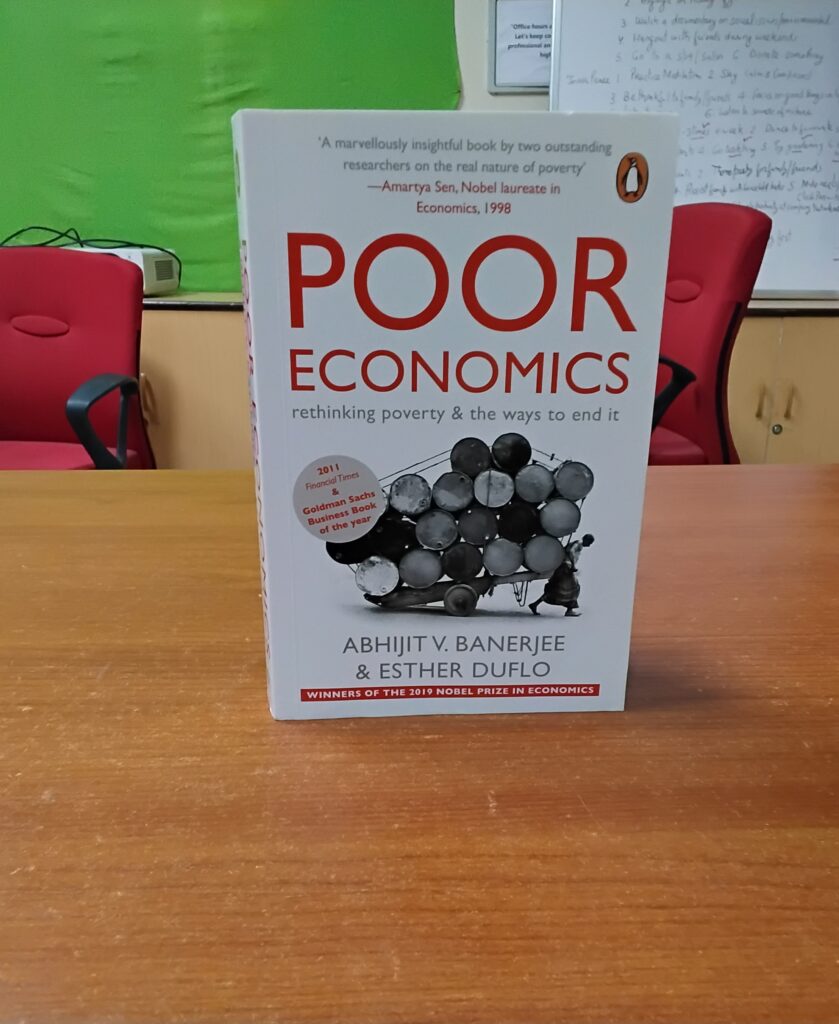
These difficult and uncomfortable questions are explored brilliantly in Poor Economics by economists Abhijit Banerjee and Esther Duflo. In the chapter “A Billion Hungry People?”, the authors challenge one of the oldest assumptions in development economics: that poor people remain poor because they cannot afford enough food to become productive workers.
Instead of relying on ideology or moral assumptions, the authors examine real-world evidence from villages, farms, labor markets, and households across India, Indonesia, Africa, and other developing regions. Their findings reveal that the relationship between poverty and hunger is far more complicated than conventional wisdom suggests.
This chapter forces readers to confront an uncomfortable reality: poor people often do not spend extra income primarily on calories, even when they technically could. Rather than maximizing food intake, they make choices much like everyone else — balancing pleasure, dignity, convenience, social obligations, entertainment, and future uncertainty.
The result is not a simplistic story about irrational spending or ignorance. It is a deeply human story about survival, trade-offs, and the everyday complexity of living with scarcity.
The Traditional View: Poverty as a Nutrition Trap
For decades, economists and policymakers believed strongly in what is known as the “nutrition-based poverty trap.”
The logic behind this theory appears straightforward.
A poor person does not earn enough money to buy sufficient food. Without enough food, they become weak and physically unproductive. Because they are weak, they cannot work effectively or earn higher wages. As a result, they remain trapped in poverty.
This creates a vicious cycle:
Low income → low nutrition → low productivity → low income.
The theory became highly influential in development policy. Governments around the world designed food subsidy programs to ensure poor households could purchase basic grains and calories. International organizations framed hunger as the central obstacle to economic progress.
At first glance, this argument makes perfect sense. Human beings need calories to survive and work. A laborer working in fields or construction cannot perform demanding physical tasks while severely undernourished.
However, Banerjee and Duflo argue that reality is much more nuanced than this simple economic model suggests.
The Story of Pak Solhin: A Real-Life Poverty Trap
The chapter introduces readers to Pak Solhin, a poor Indonesian man whose life initially seems to confirm the nutrition-based poverty trap.
Pak Solhin worked as a casual agricultural laborer. Rising food prices and declining employment opportunities reduced his ability to earn enough money for food. As his nutrition worsened, he became physically weaker. Eventually, employers stopped hiring him because he lacked the strength required for agricultural work.
This appears to be the perfect example of a poverty trap in action.
Unable to eat properly, Pak Solhin became too weak to work. Unable to work, he could not earn enough money to improve his diet. His productivity collapsed, reinforcing his poverty.
Stories like his are emotionally compelling and politically powerful. They justify food assistance programs and support the belief that hunger is the central cause of persistent poverty.
Yet the authors urge caution. While cases like Pak Solhin exist, they may not represent the experience of most poor people around the world.
The critical question becomes:
If poor people suddenly receive a little more money, do they spend most of it on buying more calories?
Surprisingly, the answer is often no.
Why Don’t the Poor Spend More on Food?
One of the most fascinating findings in the chapter is that poor households frequently choose not to maximize calorie consumption, even when they have the ability to do so.
Researchers observed that when incomes rose slightly, poor families did not dramatically increase the quantity of food they consumed. Instead, they often upgraded the quality and variety of their diets.
Rather than buying more rice or wheat, they bought tastier foods, better spices, meat, fish, sweets, or processed snacks.
This behavior initially shocked economists.
If poor people are truly starving, shouldn’t every extra dollar go toward obtaining more calories?
But human behavior is rarely governed solely by survival mathematics.
People do not want merely to survive. They want dignity, enjoyment, pleasure, and relief from monotony.
The poor, like everyone else, value taste and variety. Eating only cheap grains every day may technically maximize calories, but it does not maximize happiness or quality of life.
This insight fundamentally changes how we understand poverty.
The poor are not machines optimizing calories. They are human beings making emotional, social, and psychological choices under difficult circumstances.
The Decline of Calories in India: A Surprising Puzzle
One of the chapter’s most surprising observations comes from India.
Over several decades, incomes in India increased. Yet calorie consumption, particularly among the poor, actually declined.
At first glance, this seems impossible.
If people are becoming richer, why would they consume fewer calories?
The explanation lies partly in changing lifestyles.
Historically, poor populations performed intense physical labor. Agricultural work, walking long distances, carrying water, grinding grain manually, and heavy domestic tasks required enormous energy expenditure.
As economies modernized, many of these physically exhausting activities became easier. Improved transportation, mechanized farming, better access to water, and technological changes reduced calorie requirements.
People no longer needed to consume as many calories simply to survive daily labor.
This means declining calorie consumption does not necessarily indicate worsening hunger.
However, the chapter argues that another factor is also important: people increasingly choose tastier and more expensive foods over pure calorie maximization.
Even poor households often prefer quality over quantity when given the choice.
Calories Are Not the Same as Nutrition
A major theme in the chapter is the distinction between calories and nutrition.
Traditional anti-poverty policies often focus narrowly on providing sufficient calories through staple grains such as rice, wheat, or maize.
But calories alone do not guarantee health.
Micronutrients — including iron, iodine, zinc, and vitamins — play a crucial role in physical development, brain function, immunity, and long-term productivity.
A person may consume enough calories yet still suffer from severe malnutrition.
This is particularly dangerous for children.
Childhood undernutrition affects physical growth, cognitive development, educational performance, and lifetime earning potential. Damage caused during early childhood may become irreversible.
The authors therefore argue that improving nutrition is not simply about increasing food quantity. It requires improving food quality.
This distinction has enormous implications for public policy.
The Hidden Crisis of Micronutrient Deficiency
The chapter highlights widespread micronutrient deficiencies across developing countries.
Iron deficiency anemia, for example, affects millions of people, particularly women and children.
Symptoms include:
- Fatigue
- Weakness
- Reduced concentration
- Lower work productivity
- Poor immune function
In severe cases, anemia can become life-threatening.
Researchers found that providing iron supplements significantly improved worker productivity in Indonesia. Workers became stronger, more energetic, and capable of longer work hours.
Similarly, iodine supplementation during pregnancy and childhood improved cognitive outcomes and educational achievement.
These findings suggest that some of the most important nutritional problems are invisible. A child may not appear starving, yet still suffer lifelong consequences from hidden nutrient deficiencies.
This shifts the conversation away from hunger alone toward broader public health and nutrition policy.
Are the Poor Irrational?
One of the easiest mistakes wealthy observers make is assuming that poor people behave irrationally.
Why would someone struggling financially spend money on television, festivals, weddings, mobile phones, or sweets instead of buying more food?
Banerjee and Duflo argue that this judgment misunderstands the lived reality of poverty.
The poor do not live empty emotional lives. They experience boredom, stress, anxiety, loneliness, and social pressure just like everyone else.
In fact, poverty often intensifies these experiences.
Life in extreme poverty can be repetitive, exhausting, and psychologically draining. Entertainment and celebration become valuable forms of emotional escape.
A television may provide:
- Relaxation
- Connection to the outside world
- Family bonding
- Relief from daily hardship
Similarly, festivals and social ceremonies maintain community identity and dignity.
To outsiders, these expenditures may seem wasteful. But to poor households, they may represent one of the few available sources of joy and social belonging.
The authors strongly reject the simplistic idea that poor people are foolish consumers.
Instead, they emphasize that all human beings balance practical needs with emotional desires.
The Economics of Dignity
Another important idea in the chapter is dignity.
Poverty is not only material deprivation. It is also social humiliation.
People want respect from neighbors, relatives, and their community. This explains why even poor households often spend heavily on weddings, funerals, and religious festivals.
These events carry enormous social importance.
Failing to participate properly can damage reputation and social standing. In many societies, community relationships function as informal insurance systems. Maintaining those relationships matters for long-term survival.
The poor therefore face difficult trade-offs:
- Spend more on food today
- Or preserve social connections that may protect the family tomorrow
Viewed in this context, so-called “non-essential” spending often becomes economically rational.
The Problem with Simplistic Poverty Policies
The chapter critiques simplistic anti-poverty policies that assume poor people merely lack information or discipline.
Some policymakers believe that if poor families simply made better spending decisions, poverty would disappear.
But reality is more complicated.
Even when nutritious foods are available, people may not fully understand their benefits. Nutrition science itself can be confusing. Governments and health systems often fail to communicate effectively.
Furthermore, immediate pleasures are psychologically powerful, especially under conditions of stress and uncertainty.
Poor households live in environments where the future feels unstable. Long-term investments may seem less meaningful when survival itself feels uncertain.
This does not mean poor people are irrational. It means human beings naturally prioritize immediate emotional rewards under conditions of chronic insecurity.
The Importance of Early Childhood Nutrition
One of the strongest conclusions in the chapter concerns children.
The authors argue that investments in early childhood nutrition may generate enormous long-term benefits for society.
Proper nutrition during pregnancy and early childhood affects:
- Brain development
- School performance
- Adult earnings
- Health outcomes
- Productivity
Interventions such as:
- Deworming programs
- Iron supplementation
- Iodized salt
- School meals
- Vitamin fortification
can produce substantial improvements in lifetime outcomes.
Importantly, these interventions are often relatively inexpensive.
This suggests that smart public health investments may achieve more than broad food subsidy programs alone.
The Myth of the Universal Poverty Trap
Perhaps the chapter’s most important conclusion is that the classic nutrition-based poverty trap is not universally true.
For the extremely poor and physically vulnerable, hunger absolutely can reduce productivity and reinforce poverty.
But for many poor households, the relationship between food intake and productivity is weaker than economists once believed.
Most poor people are not permanently trapped because they cannot afford one more bowl of rice.
Instead, poverty persists because of a complex interaction of:
- Low wages
- Limited opportunities
- Poor education
- Inadequate healthcare
- Weak infrastructure
- Social inequality
- Psychological stress
- Nutritional deficiencies
- Uncertainty about the future
There is no single explanation for poverty.
And there is no single solution.
What This Chapter Teaches Us About Human Nature
One reason this chapter is so powerful is that it humanizes poverty.
The poor are often discussed in statistics, charts, and policy debates. But Banerjee and Duflo insist on treating them as ordinary human beings with ordinary desires.
Poor people want:
- Pleasure
- Respect
- Entertainment
- Comfort
- Better futures for their children
- Social belonging
- Moments of happiness
Their decisions are not fundamentally different from the decisions wealthier people make every day.
This perspective is important because it replaces judgment with empathy.
Instead of asking:
“Why don’t poor people make perfect financial decisions?”
We begin asking:
“How do human beings cope emotionally and socially with lives shaped by scarcity and uncertainty?”
That shift changes everything.
Lessons for Policymakers
The chapter offers several important lessons for governments and development organizations.
1. Focus on Nutrition Quality, Not Just Calories
Providing cheap grain alone is insufficient. Policies should address micronutrient deficiencies and child nutrition.
2. Invest in Early Childhood
Programs targeting pregnant women and young children generate long-term economic and social returns.
3. Understand Human Behavior
Policies must account for emotional, psychological, and social realities rather than assuming perfectly rational behavior.
4. Respect the Choices of the Poor
Poor people are not passive victims or irrational consumers. Their decisions reflect difficult trade-offs under harsh conditions.
5. Avoid Simplistic Narratives
Poverty is multidimensional. No single explanation captures its complexity.
Conclusion: Poverty Is More Than Hunger
“A Billion Hungry People?” challenges one of the most deeply rooted assumptions about poverty.
Yes, hunger matters. Severe undernutrition still destroys lives in many parts of the world. But poverty cannot be reduced to empty stomachs alone.
The poor do not simply need more calories. They need opportunities, healthcare, dignity, education, emotional relief, social inclusion, and better futures for their children.
Perhaps the most important lesson of the chapter is that poverty should not be understood through stereotypes.
The poor are not lazy.
They are not irrational.
They are not fundamentally different from anyone else.
They are human beings navigating impossible trade-offs with limited resources.
And if we truly want to fight poverty effectively, we must first understand the reality of how poor people actually live — not how we imagine they live.
That is the central achievement of Poor Economics.
It forces us to replace assumptions with evidence, judgment with empathy, and simplistic narratives with deeper understanding.
Only then can meaningful solutions emerge.